How to Paint Bathroom Tile?
- Sinotiles
- 2026-03-17
Painting bathroom tile sounds simple, but many people worry the paint will peel or fail. Without the right method, the result often looks uneven and short-lived.
Bathroom tile can be painted successfully when the surface is cleaned, sanded, primed, and coated with moisture-resistant paint designed for tile or high-humidity spaces. Proper preparation and sealing ensure durability and adhesion.
Many homeowners and contractors consider tile painting as a cost-effective renovation method. Instead of removing tiles, painting allows a quick visual upgrade. Still, long-term performance depends on preparation, materials, and the type of tile surface.
What preparation ensures bathroom tile paint adhesion?
Bathroom tiles often have a glossy and non-porous surface. Paint cannot easily stick to such surfaces. When preparation is poor, peeling or bubbling appears quickly.
Proper preparation ensures paint adhesion by deep cleaning, removing grease and soap residue, sanding the tile surface, repairing grout, and applying a bonding primer before painting.
Why preparation matters for tile painting
Bathroom tiles are designed to resist water, stains, and chemicals. This resistance is useful for durability, but it creates problems when applying paint. Paint needs a slightly rough and clean surface to grip.
Without preparation, paint sits on the tile surface like a thin film. Moisture, heat, and daily cleaning slowly weaken that film. Soon, the paint begins to chip.
Good preparation changes the tile surface so paint can bond properly.
Step-by-step preparation process
Most professional painters follow a simple but strict preparation routine.
| Preparation Step | Purpose |
|---|---|
| Deep cleaning | Removes soap scum, grease, and dirt |
| Degreasing | Eliminates oils that prevent adhesion |
| Sanding | Creates micro-texture on glossy tiles |
| Repairing grout | Prevents uneven paint finish |
| Applying primer | Provides bonding layer for paint |
Each step plays a specific role. Skipping one step often leads to paint failure.
Cleaning the tile surface
Cleaning is the first and most important step. Bathroom tiles collect soap residue, body oils, and cleaning chemicals. These materials form an invisible layer.
A strong tile cleaner or degreaser removes these contaminants. After cleaning, the tiles must dry completely.
Sanding glossy tile
Glossy ceramic or porcelain tiles are extremely smooth. Sanding lightly roughens the surface.
Painters usually use fine sandpaper such as 220 grit. The goal is not to remove the glaze entirely. Instead, the goal is to dull the shine and create microscopic scratches.
These scratches allow primer and paint to grip the surface.
Repairing grout lines
Cracked grout or missing grout can cause paint failure. Before painting, grout lines should be repaired and allowed to cure.
Smooth grout lines also help produce a uniform painted surface.
Applying bonding primer
Primer acts as the bridge between tile and paint. Special bonding primers are designed for hard surfaces like tile, laminate, and glass.
A good primer improves:
- Adhesion
- Durability
- Paint coverage
- Moisture resistance
Skipping primer often leads to peeling within months.
Why should moisture-resistant paint be used in bathrooms?
Bathrooms are among the most humid environments in a house. Steam from showers, splashing water, and condensation constantly affect surfaces.
Moisture-resistant paint protects painted tiles from humidity, mold growth, and peeling by forming a durable barrier that withstands steam and water exposure.
Understanding bathroom humidity
Bathrooms produce large amounts of moisture every day. Hot showers release steam that spreads through the room.
When steam cools, it becomes condensation on walls, mirrors, and tiles. Painted surfaces must resist this constant moisture cycle.
Standard wall paint cannot handle such conditions for long.
Common problems with regular paint
Using ordinary interior paint on bathroom tile can cause several problems.
| Problem | Cause |
|---|---|
| Peeling paint | Weak moisture resistance |
| Blistering | Steam trapped under paint |
| Mold growth | Paint film absorbs moisture |
| Staining | Water penetrates surface |
These issues often appear within a short time.
Types of paint suitable for bathroom tiles
Certain paints are designed for high humidity environments.
Common options include:
Epoxy paint
Epoxy paint is widely used on tiles because it forms a hard and durable coating. It also resists chemicals and moisture.
Many professional tile refinishing projects use epoxy systems.
Acrylic urethane paint
Acrylic urethane offers strong adhesion and flexibility. It can tolerate small expansions caused by temperature changes.
This flexibility reduces cracking.
Specialty tile paint
Some manufacturers produce paints specifically designed for ceramic tile surfaces. These products combine primer and paint features.
They simplify the painting process.
Mold and mildew resistance
Bathrooms create a perfect environment for mold. Moisture-resistant paints often include additives that prevent mold and mildew growth.
These additives help keep painted surfaces cleaner for longer.
Ventilation and paint durability
Even when moisture-resistant paint is used, ventilation still matters. Exhaust fans reduce humidity and extend paint life.
In many renovation projects, improved ventilation greatly improves coating durability.
When should painted bathroom tiles be sealed?
Painting tile alone may provide color, but sealing creates the protective layer that preserves the finish.
Bathroom tiles should be sealed after the paint has fully cured, typically within 24 to 72 hours, to protect the surface from water, scratches, and cleaning chemicals.
The role of sealers in tile painting
Paint gives the tile its new appearance. A sealer protects that appearance.
Sealers form a transparent protective coating. This coating blocks water and reduces wear.
Without sealing, painted tiles are more vulnerable to damage.
Why sealing is important in bathrooms
Bathrooms expose surfaces to daily stress. Water splashes, cleaning agents, and friction from scrubbing all affect painted tiles.
A protective sealer improves durability.
Benefits include:
- Water resistance
- Scratch resistance
- Easier cleaning
- Longer paint lifespan
When to apply the sealer
Timing matters when sealing painted tiles.
Paint must cure before sealing. If sealer is applied too early, the paint may soften or trap moisture.
Typical curing times:
| Paint Type | Average Cure Time |
|---|---|
| Acrylic tile paint | 24–48 hours |
| Epoxy tile paint | 48–72 hours |
| Two-part epoxy | 72 hours or more |
Manufacturers usually provide exact instructions.
Types of sealers for painted tiles
Several sealers work well for painted surfaces.
Polyurethane sealer
Polyurethane is popular because it forms a strong and durable coating. It is available in water-based or oil-based versions.
Water-based polyurethane dries faster and produces less odor.
Epoxy clear coat
Some projects use clear epoxy as a protective topcoat. This method creates an extremely durable surface.
However, epoxy coatings require careful mixing and application.
Acrylic sealer
Acrylic sealers are easy to apply and dry quickly. They are often used in DIY projects.
Areas where sealing is essential
Certain bathroom areas face higher stress.
These include:
- Shower walls
- Tile backsplashes
- Sink surrounds
- Floor tiles
Sealing these areas helps prevent early damage.
Which tile surfaces are suitable for painting?
Not all tiles respond equally to paint. Some surfaces hold paint well, while others create adhesion problems.
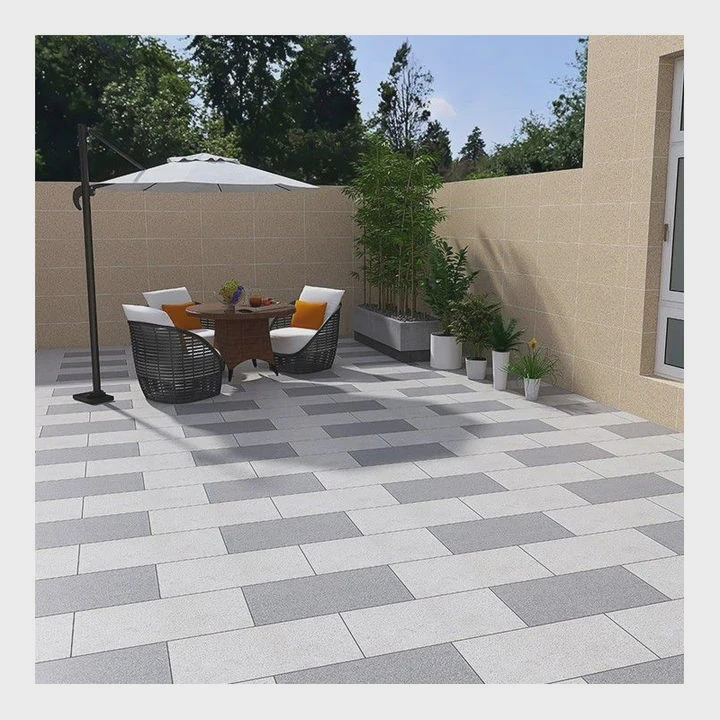
Ceramic and porcelain tiles are generally suitable for painting after proper preparation, while heavily textured, damaged, or constantly wet tiles may not produce durable results.
Tiles that work well for painting
Most painted tile projects involve ceramic or porcelain tiles. These tiles have smooth surfaces and stable structures.
After sanding and priming, paint adheres well.
Common paintable tile types include:
| Tile Type | Paint Compatibility |
|---|---|
| Ceramic tile | Very suitable |
| Porcelain tile | Suitable with strong primer |
| Quarry tile | Possible with preparation |
| Mosaic tile | Possible but more labor |
Ceramic tiles
Ceramic tiles are among the easiest surfaces to paint. Their glaze can be lightly sanded and primed.
Many bathroom wall tiles fall into this category.
Porcelain tiles
Porcelain tiles are denser and less porous than ceramic tiles. This density improves durability but reduces paint adhesion.
A strong bonding primer solves this problem.
Mosaic tiles
Mosaic tiles contain many grout joints. Painting them is possible, but it requires more effort.
Each small tile and grout line must be coated evenly.
Tiles that are difficult to paint
Some tile conditions reduce paint durability.
Textured tiles
Tiles with heavy texture or deep patterns are difficult to paint evenly. Paint collects in grooves and creates uneven finishes.
Damaged tiles
Cracked or loose tiles should be repaired or replaced before painting.
Paint cannot fix structural problems.
Constantly wet tiles
Tiles inside showers or bathtubs receive constant water exposure. Painting these areas is possible but requires high-quality coatings.
Some professionals recommend refinishing instead of painting for these surfaces.
Long-term expectations
Painted tiles provide a cosmetic improvement. However, they may not last as long as factory-finished tile surfaces.
In many renovation projects, painted tiles last 3–5 years when properly maintained.
Proper preparation, high-quality paint, and sealing significantly extend the lifespan.
Conclusion
Painting bathroom tile can refresh a space quickly and at lower cost. Strong preparation, moisture-resistant paint, proper sealing, and choosing suitable tile surfaces are the key factors that determine whether the finish will last.