How to Install Tile Shower?
- Sinotiles
- 2026-03-17
A tile shower can look beautiful, but poor installation often leads to leaks, mold, and costly repairs. Many builders discover problems months later when water damage already spreads behind the wall.
Installing a tile shower requires correct waterproofing, proper drainage, careful tile selection, and sealed grout. Each step protects the structure from moisture and keeps the shower durable and easy to maintain.
Many people think tile showers are only about appearance. In reality, a successful installation depends on several technical steps. The following sections explain the most important parts that ensure a tile shower works safely and lasts for many years.
What Waterproofing Steps Protect Tile Shower Installations?
Water easily passes through grout joints and small gaps. Without waterproof protection, moisture slowly reaches walls, studs, and subfloors. This hidden water damage often appears after months or years.
Proper waterproofing in tile showers includes installing a waterproof membrane, sealing corners and joints, protecting the shower pan, and ensuring all seams are fully sealed before tile installation.
Waterproofing is the most important step in any tile shower project. Tile itself is not waterproof. Grout also allows small amounts of water to pass through. A strong waterproof layer behind the tile protects the structure from long-term moisture damage.
Waterproofing Layers Behind Tile
A tile shower system usually contains several protective layers. Each layer has a specific role in stopping water from reaching the wall structure.
| Layer | Purpose | Typical Material |
|---|---|---|
| Tile surface | Decorative layer | Ceramic or porcelain |
| Grout | Fills joints | Cement or epoxy grout |
| Waterproof membrane | Stops water penetration | Liquid or sheet membrane |
| Backer board | Structural support | Cement board or foam board |
| Wall framing | Building structure | Wood or metal studs |
The waterproof membrane is the key barrier. It prevents water from reaching the backer board and framing.
Common Waterproofing Methods
Two main waterproofing systems are used in tile showers.
1. Sheet Membrane Systems
Sheet membranes are waterproof sheets placed behind tiles.
Common features:
- Factory waterproof material
- Sealed seams with special tape
- Consistent thickness
- Reliable water barrier
Installers place the sheets on walls and shower floors using thin-set mortar.
2. Liquid Waterproof Membranes
Liquid membranes are painted or rolled onto the surface.
Typical benefits include:
- Easy application
- Flexible waterproof layer
- Good coverage around corners
- Compatible with many backer boards
The membrane dries and forms a rubber-like barrier.
Critical Waterproof Areas
Some areas require extra attention during installation.
Shower Corners
Corners experience frequent water exposure. Waterproof tape or pre-formed corner pieces are often used to seal these locations.
Wall-to-Floor Joints
This joint receives direct water flow from the shower head. Installers usually reinforce the seam with membrane strips.
Shower Niches
Storage niches are popular in modern showers. However, they are common leak points if not properly sealed.
Waterproofing Mistakes to Avoid
Many shower failures happen because waterproofing steps were skipped.
Common mistakes include:
- Installing tile directly on drywall
- Leaving membrane seams unsealed
- Forgetting to waterproof screw holes
- Using incorrect adhesive materials
Careful waterproofing greatly extends the lifespan of a tile shower.
Why Is Proper Drainage Important in Tile Showers?
Standing water inside a shower floor can damage grout, weaken adhesives, and cause mold growth. Poor drainage also makes the shower uncomfortable to use.
Proper drainage ensures water flows quickly toward the drain through a sloped shower base, preventing water pooling, mold growth, and long-term structural damage.
Drainage design is just as important as waterproofing. Even the best tiles will fail if water constantly sits on the shower floor.
How Shower Drainage Works
A tile shower floor must guide water toward the drain using a slight slope. This slope is usually built into the shower base before tile installation.
Standard slope requirement:
- About 1⁄4 inch per foot (6 mm per 30 cm) toward the drain
This slope allows gravity to move water away quickly.
Shower Base Construction
The shower base typically includes several layers that help control water flow.
| Component | Function |
|---|---|
| Tile layer | Visible surface |
| Thin-set mortar | Bonds tile to base |
| Waterproof membrane | Prevents water penetration |
| Sloped mortar bed | Creates drainage angle |
| Subfloor | Structural support |
Each layer must be installed correctly to maintain drainage performance.
Types of Shower Drains
Different drain designs work with different shower styles.
Center Drain
The most common design places the drain in the middle of the shower floor. Tiles slope from all directions toward the center.
Advantages:
- Simple construction
- Compatible with many tile sizes
- Lower installation cost
Linear Drain
A linear drain runs along one side of the shower.
Benefits include:
- Large tile compatibility
- Modern design appearance
- Easier single-direction slope
Many modern bathrooms prefer this design because it allows large format tiles.
Problems Caused by Poor Drainage
Improper drainage creates several problems over time.
Water Pooling
Water remains on the tile surface. This increases slip risk and stains grout.
Mold Growth
Moist environments allow mold and mildew to develop inside grout lines.
Tile Damage
Standing water weakens adhesives and may cause tiles to loosen.
Drainage Planning Tips
Several simple steps improve drainage performance.
- Always check the slope before installing tiles
- Use proper mortar thickness
- Test water flow before final installation
- Keep the drain area clear of debris
Good drainage keeps the shower clean and protects the installation for many years.
When Should Grout Sealing Be Done in Shower Areas?
Many homeowners believe grout is waterproof, but this is not true. Cement grout absorbs moisture and stains easily if it is left unsealed.
Grout sealing should be done after grout fully cures, usually 48–72 hours after installation, to protect the joints from water absorption, stains, and mold growth.
Grout plays a major role in the durability of tile showers. It fills the gaps between tiles and stabilizes the surface. However, cement grout is porous and requires sealing.
Why Grout Needs Sealing
Water from showers constantly touches grout lines. Without sealing, grout absorbs moisture and dirt.
Common problems include:
- Dark stains
- Mold growth
- Soap residue buildup
- Weak grout joints
A grout sealer forms a protective layer that reduces water absorption.
Grout Curing Time
Grout must fully cure before sealing. Sealing too early traps moisture inside the grout.
Typical curing schedule:
| Stage | Time Required |
|---|---|
| Initial grout set | 24 hours |
| Full curing | 48–72 hours |
| Safe sealing time | After full curing |
Always follow manufacturer instructions for exact timing.
Types of Grout Sealers
Different sealers provide different levels of protection.
Penetrating Sealers
These sealers absorb into the grout and protect from inside.
Benefits:
- Long lasting protection
- Invisible finish
- Maintains natural appearance
Surface Sealers
Surface sealers create a protective layer on top of grout.
Advantages:
- Quick application
- Strong stain protection
However, surface sealers may wear faster in heavy-use showers.
How to Apply Grout Sealer
The application process is simple but requires care.
Basic steps include:
- Clean the tile surface and grout lines
- Allow grout to fully dry
- Apply sealer using brush or applicator
- Remove excess sealer from tile surface
- Allow proper drying time
Maintenance and Re-Sealing
Grout sealers do not last forever.
Most showers require resealing every 1–2 years depending on usage.
Signs that resealing is needed:
- Water quickly absorbs into grout
- Grout color becomes darker when wet
- Visible stains remain after cleaning
Regular sealing protects the shower and reduces maintenance.
Which Tiles Are Best for Shower Walls and Floors?
Choosing the wrong tile can cause slipping, staining, or long-term wear problems. Bathrooms require tiles that handle moisture, cleaning chemicals, and daily use.
The best tiles for showers are porcelain or ceramic tiles for walls and textured, slip-resistant porcelain or mosaic tiles for shower floors.
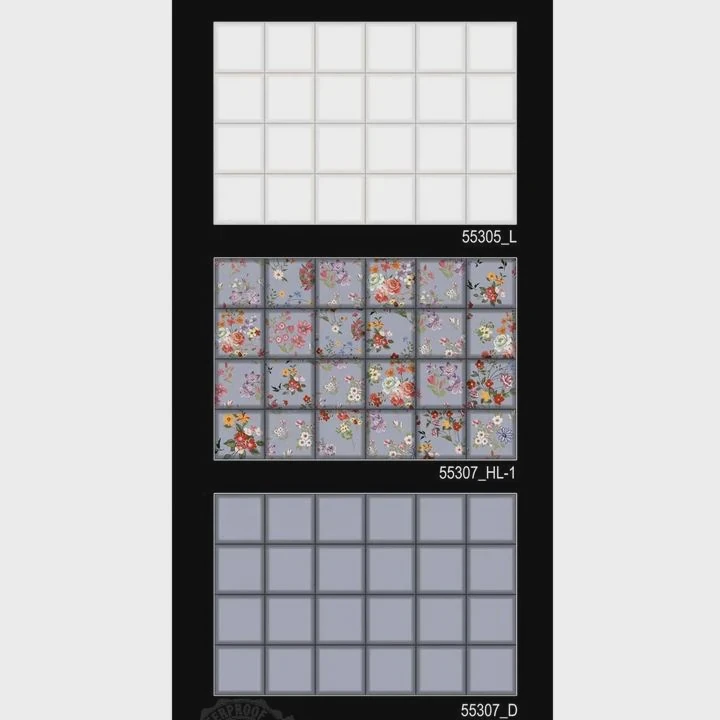
Tile selection affects both performance and design. Some tiles resist water better, while others provide stronger grip on wet surfaces.
Key Features for Shower Tiles
Good shower tiles should have several important qualities.
| Feature | Importance |
|---|---|
| Low water absorption | Prevents damage from moisture |
| Slip resistance | Improves safety on wet floors |
| High durability | Handles daily use |
| Easy cleaning | Reduces maintenance |
Porcelain tiles perform well in most of these areas.
Best Tiles for Shower Walls
Large format tiles are popular for shower walls.
Advantages include:
- Fewer grout joints
- Modern appearance
- Easier cleaning
Common wall tile choices:
- Porcelain tiles
- Ceramic tiles
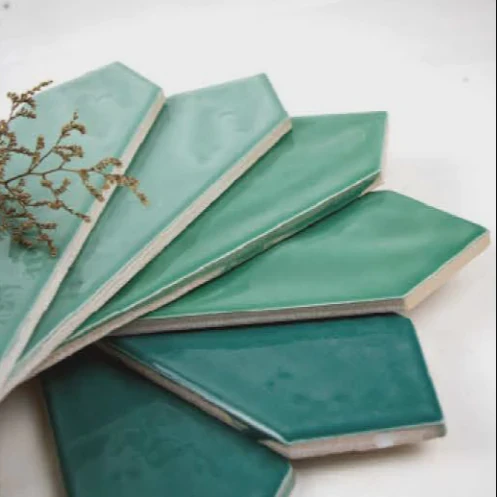
- Glazed decorative tiles
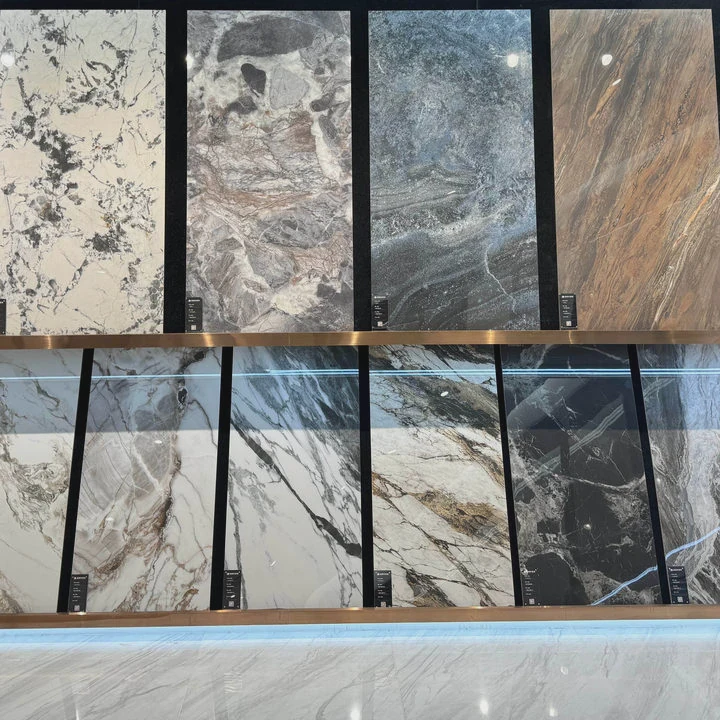
- Marble-look porcelain tiles
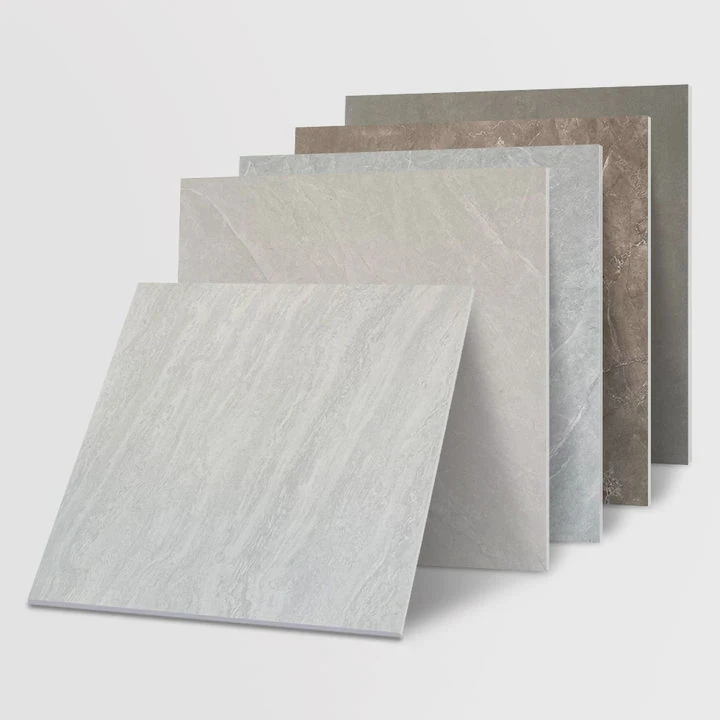
Porcelain tiles are especially durable because they have very low water absorption.
Best Tiles for Shower Floors
Shower floors require stronger slip resistance.
Small tiles often work better because they create more grout joints, which improve traction.
Popular options include:
- Mosaic porcelain tiles
- Textured porcelain tiles
- Natural stone mosaics
Tile Size and Installation
Tile size also affects installation performance.
| Tile Size | Best Use |
|---|---|
| Mosaic (2×2 or smaller) | Shower floors |
| Medium tiles (300×600 mm) | Shower walls |
| Large format tiles | Modern wall designs |
Smaller floor tiles follow the slope of the shower base more easily.
Design Trends in Modern Showers
Many modern bathrooms combine several tile styles.
Popular design ideas include:
- Large wall tiles with mosaic floors
- Marble-look porcelain surfaces
- Neutral colors with textured accents
- Matte finishes for better grip
These designs improve both safety and appearance.
Conclusion
Installing a tile shower requires careful waterproofing, proper drainage design, sealed grout joints, and suitable tile selection. Each step protects the structure and improves durability. When all elements work together, a tile shower becomes both beautiful and long-lasting.