How to Regrout Floor Tile?
- Sinotiles
- 2026-03-31
Cracked or dirty grout makes any floor look old and hard to clean. Many people feel stuck because full tile replacement sounds expensive and complex.
Regrouting floor tile is a cost-effective way to refresh your floor by removing old grout, cleaning joints, and applying new grout to restore strength and appearance.
A clean grout line changes the whole space. It improves hygiene, looks better, and protects tiles from moisture damage. The process is not as hard as it seems when broken into clear steps.
What steps are involved in regrouting tile floors?
Old grout can trap dirt and bacteria. Many floors look worn not because of tiles, but because of damaged grout lines.
Regrouting tile floors involves removing old grout, cleaning joints, applying new grout, and sealing the surface to protect and extend durability.
The process follows a clear order. Each step matters. Skipping one step can lead to weak grout or uneven results.
Step-by-step breakdown
1. Inspect the floor
First, check the condition of the tiles and grout. Loose tiles must be fixed before regrouting. If tiles move, new grout will crack again.
2. Remove old grout
Old grout should be removed to at least 2–3 mm deep. This creates space for new grout to bond properly.
3. Clean the joints
Dust and debris reduce adhesion. Use a vacuum or brush. Some people also use a damp cloth to wipe remaining powder.
4. Mix new grout
Follow the ratio carefully. Too much water weakens the grout. The texture should be like thick paste.
5. Apply grout
Use a rubber float. Push grout into joints at a 45-degree angle. Make sure all gaps are filled.
6. Remove excess grout
After 10–20 minutes, wipe the surface with a damp sponge. Do not press too hard.
7. Cure and dry
Let the grout cure for 24–48 hours. Avoid walking on the floor during this time.
8. Seal the grout
Sealing protects against stains and water damage.
Process overview table
| Step | Purpose | Key Tip |
|---|---|---|
| Inspection | Identify issues | Fix loose tiles first |
| Removal | Create space | Go deep enough |
| Cleaning | Improve bonding | Remove all dust |
| Application | Fill joints | Work diagonally |
| Finishing | Smooth surface | Use damp sponge |
| Sealing | Protect grout | Apply after curing |
Why this process works
Each step builds on the previous one. When grout is applied to a clean and stable joint, it bonds well. When sealed, it lasts longer.
From experience, many problems come from rushing. Some people skip cleaning or sealing. That leads to early cracking or staining.
How do you remove old grout safely?
Removing grout feels risky. Many people worry about damaging tiles or injuring themselves.
Old grout can be safely removed using manual tools or power tools while applying steady pressure and avoiding contact with tile edges.
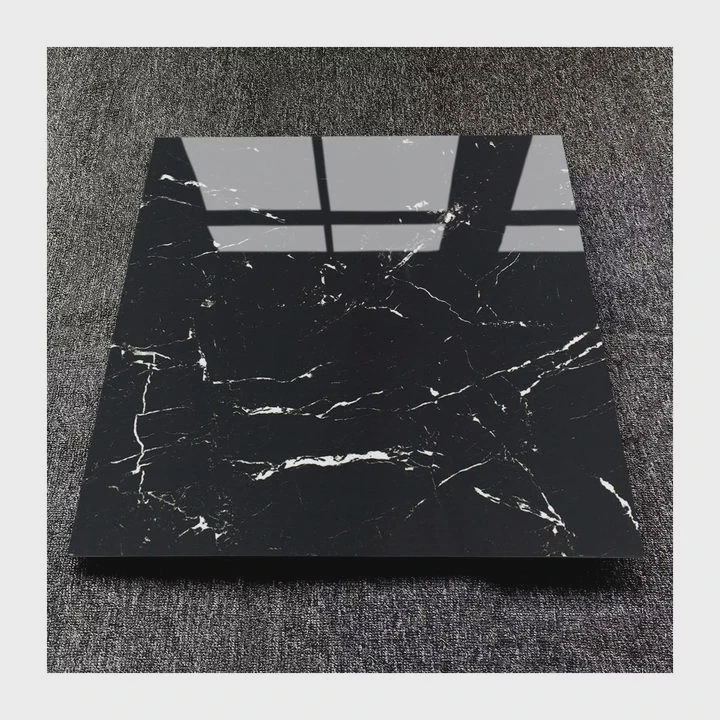
Safety and control matter more than speed. The goal is precision, not force.
Common tools used
| Tool Type | Example | Best For |
|---|---|---|
| Manual | Grout saw | Small areas |
| Electric | Oscillating tool | Medium to large areas |
| Rotary | Dremel | Detailed work |
Safe removal techniques
Work slowly
Fast movements increase the risk of slipping and chipping tiles. Controlled motion gives better results.
Use correct angle
Keep the tool centered in the grout line. Avoid leaning toward tile edges.
Apply light pressure
Let the tool do the work. Too much pressure damages both grout lines and tiles.
Wear protection
Dust is harmful. Use goggles and a mask. Gloves also help with grip and safety.
Manual vs power tools
Manual tools are safer for beginners. They give more control but require more time.
Power tools are faster. However, they need steady hands. Beginners should practice on a small area first.
Common mistakes to avoid
- Cutting too deep and damaging tile adhesive
- Scratching tile edges
- Leaving dust inside joints
- Removing uneven grout depth
Personal insight
In one project, rushing grout removal caused chipped tile edges. That required tile replacement, which increased cost. Since then, slow and steady has always worked better.
Which grout types are best for floors?
Choosing the wrong grout leads to cracks, stains, or weak joints. Many buyers focus only on color, not performance.
The best grout for floors depends on joint width and usage, with sanded grout for wide joints, unsanded for narrow joints, and epoxy grout for high durability.
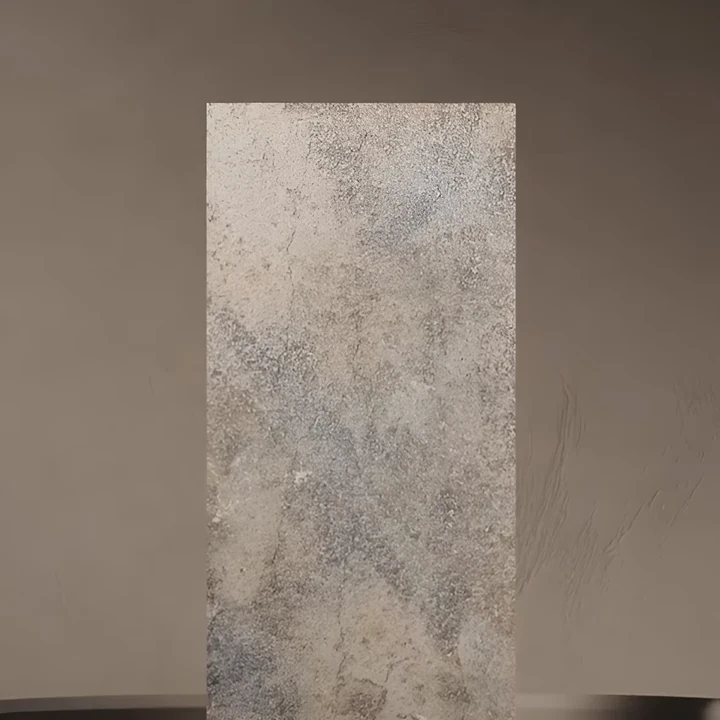
Floor tiles need strong grout. They face pressure, moisture, and daily wear.
Main grout types
Sanded grout
- Best for joints wider than 3 mm
- Strong and durable
- Less shrinkage
Unsanded grout
- Best for narrow joints
- Smooth finish
- Easier to apply on delicate tiles
Epoxy grout
- Highly resistant to stains and water
- Very strong
- More expensive and harder to apply
Comparison table
| Grout Type | Strength | Water Resistance | Ease of Use | Best Use |
|---|---|---|---|---|
| Sanded | High | Medium | Easy | Large floor tiles |
| Unsanded | Medium | Low | Easy | Small joints |
| Epoxy | Very High | Very High | Difficult | Commercial areas |
How to choose correctly
Consider joint width
Wide joints need sanded grout. Narrow joints need smooth grout.
Think about traffic
High-traffic areas need stronger grout. Epoxy works well in commercial spaces.
Evaluate moisture exposure
Bathrooms and kitchens need water-resistant grout.
Common selection mistakes
- Using unsanded grout for wide joints
- Ignoring moisture conditions
- Choosing based only on price
Real-world observation
Many clients choose cheaper grout first. Later, they face staining issues. Investing in better grout often saves money long term.
When should you seal new grout lines?
New grout looks clean at first. But without sealing, it absorbs stains quickly.
New grout should be sealed after it fully cures, typically within 48 to 72 hours, to protect against moisture, stains, and long-term damage.
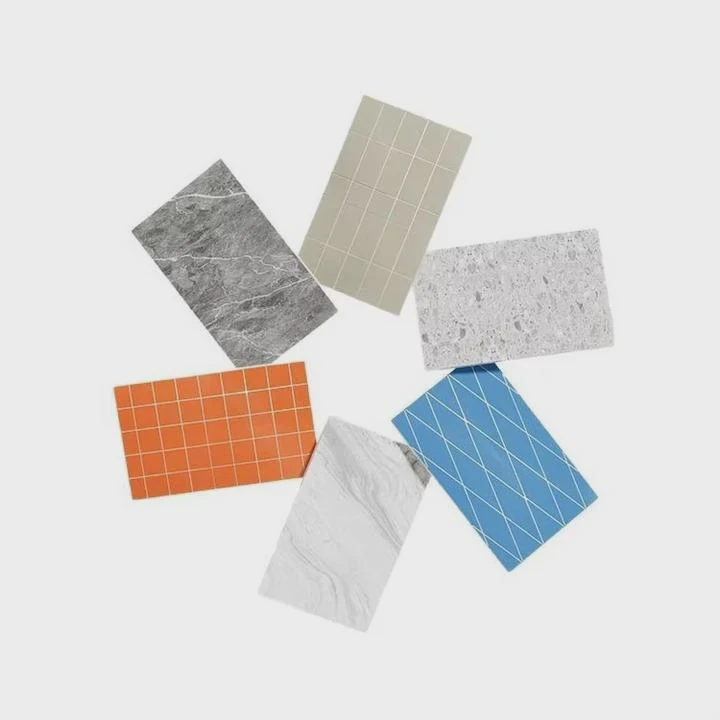
Timing is critical. Sealing too early traps moisture. Sealing too late exposes grout to damage.
Ideal sealing timeline
| Stage | Time |
|---|---|
| Grout applied | Day 0 |
| Initial drying | 24 hours |
| Full curing | 48–72 hours |
| Sealing | After curing |
How to seal properly
Clean surface first
Remove dust and residue. A clean surface allows better absorption.
Apply evenly
Use a brush or applicator bottle. Focus on grout lines, not tiles.
Let it absorb
Wait 5–10 minutes before wiping excess.
Apply second coat
For high-moisture areas, a second coat improves protection.
Benefits of sealing
- Prevents stains
- Reduces water absorption
- Extends grout life
- Makes cleaning easier
Common mistakes
- Sealing too early
- Skipping sealing completely
- Using low-quality sealers
Practical insight
In many export projects, sealed grout performs better in humid regions. It reduces maintenance complaints and improves customer satisfaction.
Conclusion
Regrouting tile floors is a practical way to restore beauty and durability. With the right steps, tools, and materials, the process becomes simple and effective. Proper grout selection and sealing ensure long-lasting results.