how to put grout on tile?
- Sinotiles
- 2026-03-14
Grouting tile often looks simple, yet many people end up with uneven joints, haze on tiles, or weak grout lines. These problems appear when the basic steps are skipped or rushed.
To put grout on tile, spread grout diagonally across the surface with a rubber float, press it firmly into tile joints, remove excess grout, and clean the tiles with a damp sponge after the grout begins to set. Proper tools and timing ensure smooth, durable joints.
Grouting is the final step that makes tile surfaces look finished and strong. When grout is applied correctly, tiles stay secure, joints stay sealed, and the surface becomes easy to clean. The following sections explain the tools, techniques, and choices that help create professional grout results.
What tools help apply grout evenly on tiles?
A tile project can fail at the finishing step if the wrong tools are used. Uneven grout lines, air gaps, and messy surfaces often come from poor tools or improper technique.
The main tools for applying grout evenly include a rubber grout float, mixing bucket, grout sponge, margin trowel, and microfiber cloth. These tools help spread grout smoothly, push it into joints, and clean excess grout from tile surfaces.
A smooth grout finish begins with the right set of tools. Each tool performs a clear job during the process. Good tools reduce mistakes and help achieve consistent grout lines.
Essential Grouting Tools
The following table shows the most common tools used during grout application and their main purpose.
| Tool | Purpose | Why It Matters |
|---|---|---|
| Rubber grout float | Spreads grout across tile surface | Flexible edge pushes grout into joints |
| Mixing bucket | Holds grout mixture | Keeps grout consistent during mixing |
| Margin trowel | Mixes and scoops grout | Helps control grout texture |
| Grout sponge | Cleans tile surface | Removes excess grout safely |
| Microfiber cloth | Final polish | Removes grout haze |
The Role of the Rubber Grout Float
The grout float is the most important tool. It has a flat rubber base that spreads grout across tiles. The rubber edge presses grout deep into joints without scratching tile surfaces.
A float works best when it is held at a 45-degree angle. This angle helps push grout directly into gaps between tiles.
Mixing Tools Matter
Grout must have the right texture. If grout is too thick, it will not fill joints. If it is too thin, it will shrink or crack.
A margin trowel helps mix grout evenly. Many installers slowly add water while mixing to reach a peanut-butter-like consistency.
Cleaning Tools Prevent Damage
A grout sponge removes extra grout while protecting tile surfaces. The sponge should be damp, not soaking wet. Too much water weakens grout joints.
Tool Quality Makes a Difference
Cheap tools often wear out quickly or leave rough grout lines. Professional tile installers often choose high-quality rubber floats and dense sponges.
Good tools do not only improve appearance. They also help grout last longer. Strong grout joints protect tiles from moisture, dirt, and movement.
Why should grout be pressed into joints firmly?
Many beginners spread grout across tiles but forget to press it firmly into the joints. This small mistake can cause weak grout lines that crack or fall out later.
Grout must be pressed firmly into tile joints to remove air pockets, ensure full coverage, and create strong bonds between tiles. Proper pressure makes grout lines dense, durable, and resistant to moisture.
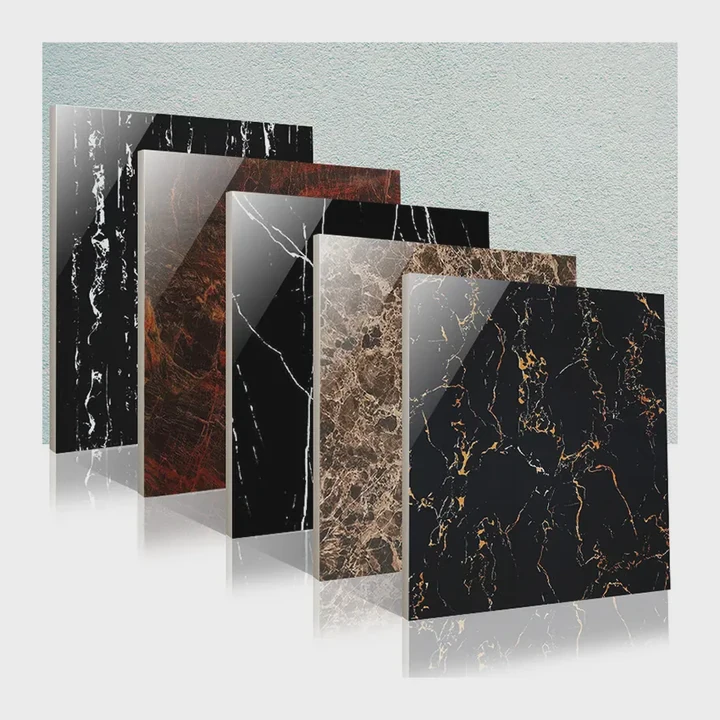
Firm pressure during grout application is critical for structural strength. Grout does more than fill gaps. It also locks tiles together and prevents debris from entering joints.
The Purpose of Strong Grout Compression
Grout compression pushes the mixture deep into tile joints. This step eliminates small air gaps that weaken the grout structure.
If grout sits loosely in joints, several problems can occur:
| Problem | Cause | Result |
|---|---|---|
| Cracked grout | Air pockets | Weak structure |
| Loose grout | Poor compression | Joints break apart |
| Water penetration | Gaps in grout | Tile damage |
When grout is pressed firmly, it becomes compact and stable.
Proper Grouting Technique
A simple technique improves grout strength.
- Spread grout across tiles with a float.
- Hold the float at a 45-degree angle.
- Push grout diagonally across joints.
- Repeat from different directions.
Working diagonally helps grout enter joints fully. Straight movements may pull grout back out of the lines.
Joint Depth and Tile Layout
The depth of tile joints affects grout performance. Most tile joints are between 2 mm and 10 mm wide.
Deep joints require more pressure to ensure grout reaches the bottom.
Surface Stability
Firm grout joints help distribute pressure across the tile surface. This matters especially for floors.
When grout bonds tiles together, the entire tile field behaves as one solid surface.
Long-Term Durability
Strong grout lines protect the tile installation for years. Well-compressed grout resists cracks, moisture damage, and cleaning chemicals.
Professional installers spend extra time pressing grout into joints because this step determines how long the tile surface will last.
When should excess grout be wiped from tile surfaces?
Many tile installations look messy because grout was cleaned too early or too late. Timing is one of the most important steps during grout work.
Excess grout should be wiped from tile surfaces about 10–20 minutes after application, once the grout begins to firm up but before it fully hardens. Cleaning at the right moment prevents grout haze and protects joint strength.
Grout passes through several stages while drying. Understanding these stages helps determine the right cleaning moment.
The Three Stages of Grout Drying
| Stage | Time After Application | Surface Condition |
|---|---|---|
| Wet stage | 0–10 minutes | Soft and easily disturbed |
| Initial set | 10–20 minutes | Firm but still workable |
| Hardening stage | 30+ minutes | Difficult to clean |
The initial set stage is the best time to remove excess grout.
Why Cleaning Too Early Causes Problems
When grout is wiped immediately after spreading, the sponge can pull grout out of the joints.
This creates shallow grout lines. Shallow joints are weaker and collect dirt easily.
Why Cleaning Too Late Is Also Bad
If grout dries completely before cleaning, it leaves a cloudy film called grout haze.
Removing hardened haze can require extra chemicals or scrubbing. This can damage delicate tile finishes.
Proper Cleaning Technique
A simple method prevents most cleaning issues.
- Use a damp grout sponge.
- Wipe diagonally across tiles.
- Rinse the sponge frequently.
- Avoid soaking the joints.
Light pressure works best. Heavy pressure can disturb grout lines.
Final Polishing Step
After several hours, a thin haze may appear. A dry microfiber cloth removes this easily.
Professional installers often return the next day to perform a final wipe.
Patience Improves Results
Grouting is not a fast process. Waiting the correct amount of time between steps ensures strong grout joints and clean tile surfaces.
Which grout types suit floor versus wall tiles?
Not all grout types perform the same. The best grout choice depends on tile location, joint width, and surface conditions.
Sanded grout is usually best for floor tiles because it handles wider joints and heavy traffic, while unsanded grout is better for wall tiles with narrow joints and delicate surfaces. Epoxy grout works for high-moisture or heavy-duty environments.
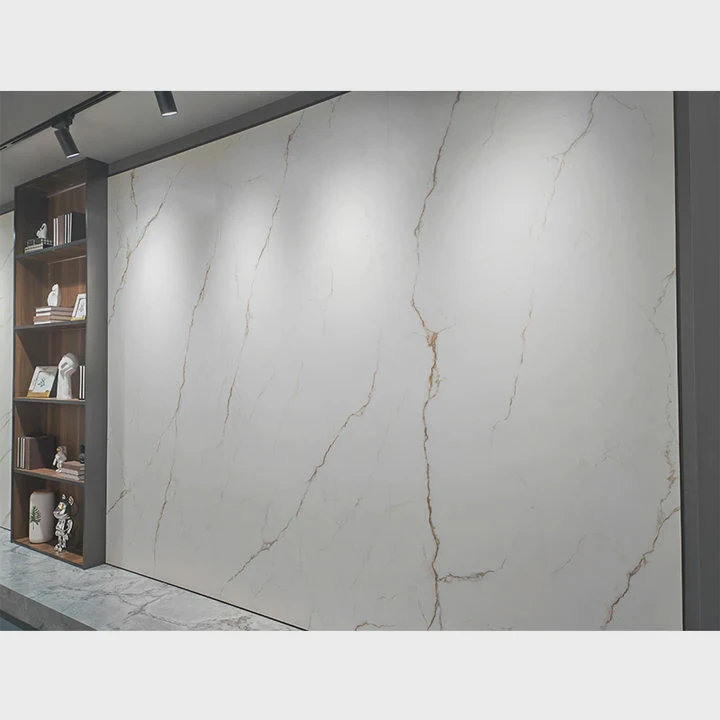
Choosing the right grout type protects the tile installation and improves long-term performance.
Main Types of Tile Grout
| Grout Type | Best Use | Key Feature |
|---|---|---|
| Sanded grout | Floor tiles | Strong and crack resistant |
| Unsanded grout | Wall tiles | Smooth texture |
| Epoxy grout | Kitchens and bathrooms | Waterproof and stain resistant |
Sanded Grout for Floor Tiles
Floor tiles face constant pressure from walking, furniture, and movement. Sanded grout contains fine sand particles that strengthen the mixture.
These particles prevent shrinkage and cracking.
Sanded grout works best with joint widths larger than 3 mm.
Unsanded Grout for Wall Tiles
Wall tiles often have very narrow joints. Unsanded grout has a smooth texture that fills thin gaps easily.
It also protects delicate tile surfaces such as polished marble or glass tiles. Sand particles could scratch these materials.
Epoxy Grout for Moisture Areas
Epoxy grout uses resins and hardeners instead of cement. This makes it resistant to water, stains, and chemicals.
It is common in:
- Commercial kitchens
- Swimming pools
- High-traffic bathrooms
However, epoxy grout costs more and requires faster installation because it hardens quickly.
Matching Grout to Tile Size
Large tiles often use wider joints. Wider joints benefit from stronger grout formulas.
Small wall tiles usually require narrow grout lines.
Design Considerations
Grout color also affects the final tile appearance. Some designers choose matching grout colors for a seamless look. Others select contrasting colors to highlight tile patterns.
The right grout type and color both contribute to the finished design.
Conclusion
Applying grout correctly requires proper tools, firm joint filling, careful cleaning timing, and the right grout type. These steps create durable tile surfaces, clean grout lines, and long-lasting installations for both floors and walls.