How to Install Wall Tile?
- Sinotiles
- 2026-03-14
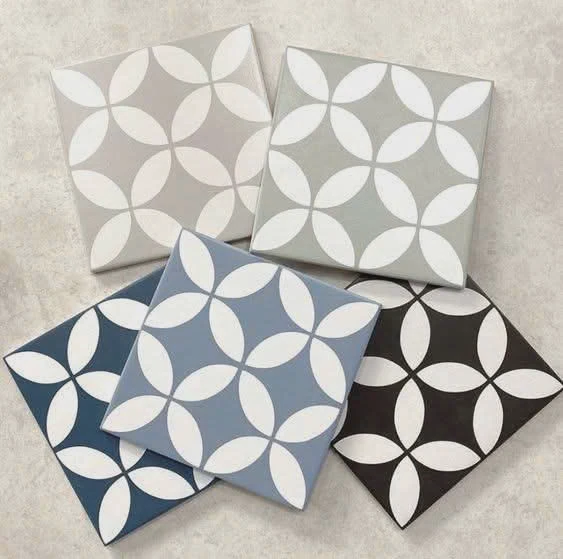
Wall tiling often looks simple. Many people start quickly and face uneven lines, loose tiles, or cracks later. These problems usually come from poor preparation or incorrect steps.
Wall tile installation requires proper surface preparation, a level starting line, correct adhesive curing time, and suitable tile spacers. These steps ensure straight alignment, strong bonding, and long-lasting results for both residential and commercial spaces.
Many beginners focus only on the tile design. However, the success of wall tiling depends more on preparation and installation methods than on the tile itself. The following guide explains the key steps that make wall tile installation professional and durable.
What Surface Preparation Is Required for Wall Tiling?
Wall tile installation often fails because of poor surface preparation. Many installers rush this step. Later, tiles loosen, crack, or shift. A strong and clean surface is the foundation of successful tiling.
Surface preparation for wall tiling requires a clean, flat, dry, and structurally stable wall. Installers must remove dust, grease, loose paint, and uneven areas to ensure tile adhesive bonds correctly and tiles stay firmly attached.
Why Surface Preparation Matters
Wall tiles depend on adhesive bonding. The adhesive must grip both the tile and the wall. If the wall surface contains dust, oil, or loose materials, the adhesive cannot bond well.
Common problems caused by poor preparation include:
| Problem | Cause | Result |
|---|---|---|
| Tiles falling off | Weak adhesion | Safety risk |
| Uneven tile surface | Wall not flat | Poor appearance |
| Hollow tile sound | Air gaps behind tiles | Weak installation |
| Tile cracks | Structural movement | Expensive repairs |
Professional installers always inspect the wall first before opening a box of tiles.
Basic Surface Preparation Steps
Most wall tiling projects follow a simple preparation process.
1. Clean the Wall Surface
The wall must be free from dirt and grease. Dust or oil prevents adhesive from bonding.
Typical cleaning steps include:
- Remove dust with a brush or vacuum
- Wash grease with mild detergent
- Scrape loose paint or plaster
- Let the wall fully dry
A clean surface improves bonding strength.
2. Check Wall Flatness
A straight edge or level helps identify uneven areas. Large tiles especially require flat surfaces.
Installers usually allow a tolerance of about 3 mm within 2 meters.
If the wall is uneven, solutions include:
- Cement plaster leveling
- Self-leveling compounds
- Cement board installation
Flat walls help tiles align correctly.
3. Repair Damaged Areas
Cracks or holes weaken tile adhesion. These areas should be repaired before tiling.
Common repair materials include:
- Cement mortar
- Wall patch compound
- Backer board for large damage
Strong walls support tile weight better.
4. Apply Primer or Waterproofing (When Needed)
Some walls absorb moisture quickly. Primers help improve adhesive bonding.
In wet areas such as bathrooms or kitchens, waterproof membranes are recommended.
Typical waterproof areas include:
| Area | Waterproof Needed |
|---|---|
| Shower walls | Yes |
| Bathroom walls | Recommended |
| Kitchen backsplash | Optional |
| Dry interior wall | Usually not required |
Proper preparation ensures tiles stay secure for many years.
Why Should Wall Tiles Start from a Level Line?
Many people assume tiles should start from the floor. This seems logical. However, floors are rarely perfectly level. Starting from the floor often leads to uneven tile rows.
Wall tiles should start from a perfectly level reference line because floors are often uneven. A level line ensures straight tile rows, consistent spacing, and professional alignment across the entire wall surface.
The Problem With Starting from the Floor
Floors can slope slightly. Even a few millimeters of difference can create visible tile misalignment.
For example:
| Floor Issue | Result on Tiles |
|---|---|
| Slight slope | Tile rows tilt |
| Uneven mortar | Irregular spacing |
| Construction tolerance | Crooked grout lines |
A level reference line prevents these problems.
How Installers Create a Level Line
Professional installers usually follow a simple process.
Step 1: Find the Lowest Floor Point
Using a laser level or spirit level, installers measure the floor across the wall.
The lowest point determines where the reference line will be placed.
Step 2: Mark a Horizontal Level Line
A straight horizontal line is drawn on the wall. This line becomes the starting point for the first tile row.
Installers often mark the line one tile height above the floor.
Step 3: Install a Temporary Support Board
A wooden or metal support strip is fixed along the level line.
This board supports the first row of tiles while the adhesive cures.
Why This Method Works
Starting from a level line offers several advantages:
| Benefit | Explanation |
|---|---|
| Perfect tile alignment | Straight grout lines |
| Better visual symmetry | Balanced tile layout |
| Easier installation | Tiles rest on support board |
| Flexible bottom cut | Floor unevenness hidden |
The bottom row of tiles is installed last. These tiles are cut to match the floor shape.
Practical Experience from Projects
In many projects, installers skip this step to save time. Later, they face visible alignment problems. Once the tiles are installed, fixing crooked rows becomes extremely difficult.
Starting from a level line may take extra time at the beginning. However, it prevents many installation issues later.
When Must Adhesive Cure Before Grouting Wall Tiles?
Grouting too early is a common mistake in wall tile installation. Many installers rush the process to finish faster. However, uncured adhesive cannot hold tiles securely.
Tile adhesive should cure for 24 to 48 hours before grouting wall tiles. This curing time allows the adhesive to gain full bonding strength and prevents tile movement during the grouting process.
What Happens During Adhesive Curing
Tile adhesive is usually cement-based or polymer-modified. It needs time to harden and develop bonding strength.
During curing, several processes occur:
- Moisture reacts with cement particles
- Adhesive structure becomes solid
- Bond strength increases
- Tiles become stable
Moving tiles too early weakens the bond.
Typical Adhesive Curing Time
Different adhesives require different curing periods.
| Adhesive Type | Recommended Grouting Time |
|---|---|
| Standard cement adhesive | 24 hours |
| Polymer modified adhesive | 24–48 hours |
| Fast setting adhesive | 4–6 hours |
| Large format tile adhesive | 48 hours |
Manufacturers usually provide specific curing instructions.
Factors That Affect Curing Time
Several site conditions influence curing speed.
Temperature
Warm environments accelerate curing. Cold environments slow the process.
Typical guidelines:
- Ideal temperature: 10°C – 30°C
- Below 5°C: curing becomes very slow
Humidity
High humidity slows moisture evaporation. Dry air allows faster curing.
Tile Size
Large tiles trap more moisture behind them. This increases curing time.
Signs Adhesive Has Fully Cured
Installers often check a few indicators before grouting.
- Tiles feel solid when pressed
- No tile movement
- Adhesive edges appear hardened
- Support boards can be removed safely
Rushing this step may lead to uneven grout lines or tile movement.
A Lesson from Real Installations
Some installers grout only a few hours after placing tiles. At first, the surface looks fine. Later, tiles shift slightly as adhesive continues curing. Grout lines crack or become uneven.
Allowing proper curing time ensures the installation remains stable for years.
Which Tile Spacers Are Best for Wall Installations?
Tile spacers look small and simple. However, they play an important role in tile alignment and grout consistency. Without spacers, tile rows quickly become uneven.
The best tile spacers for wall installations are cross spacers or leveling spacer systems. These tools maintain consistent grout lines, prevent tile shifting, and help installers achieve a straight and professional tile layout.
Why Tile Spacers Are Important
Tiles rarely have perfectly identical sizes. Small variations can create irregular gaps if spacers are not used.
Tile spacers solve several problems:
| Issue Without Spacers | Result |
|---|---|
| Uneven gaps | Poor grout appearance |
| Tile shifting | Crooked rows |
| Inconsistent alignment | Unprofessional finish |
Spacers maintain uniform spacing across the wall.
Common Types of Tile Spacers
Several spacer designs exist. Each serves different installation needs.
Cross Spacers
Cross spacers are the most common option. They create four equal gaps at tile corners.
They work best for:
- Standard wall tiles
- Grid tile patterns
- Small to medium tiles
T-Shaped Spacers
T spacers are used where three tiles meet. They are helpful along edges or borders.
Wedge Spacers
Wedge spacers allow adjustable spacing. Installers often use them to fine-tune alignment.
Tile Leveling Systems
Leveling clips and wedges help keep tile surfaces flat. They are especially useful for large format tiles.
Choosing the Right Spacer Size
Spacer size determines grout joint width.
Common sizes include:
| Spacer Size | Typical Use |
|---|---|
| 1 mm | Very small tiles |
| 2 mm | Modern narrow joints |
| 3 mm | Standard wall tiles |
| 5 mm | Rustic or handmade tiles |
Large tiles often use 2–3 mm joints for a modern look.
Best Practice for Wall Tiling
Most professional installers follow simple rules:
- Use cross spacers for consistent grid layouts
- Use leveling systems for large format tiles
- Remove spacers before grouting
- Maintain uniform grout width across the wall
Even experienced installers rarely skip spacers. They improve both speed and accuracy.
Conclusion
Successful wall tile installation depends on preparation, alignment, curing time, and spacing tools. Clean surfaces ensure strong bonding. Level lines create straight rows. Proper curing prevents movement. Tile spacers keep grout joints consistent. Following these steps helps achieve durable and professional wall tiling results.