How to Put Tile on Drywall?
- Sinotiles
- 2026-05-11
Many people install tiles on drywall without proper steps. The result is loose tiles, cracked grout, or water damage that appears only a few months later.
Tiles can be installed on drywall safely when the wall is clean, stable, dry, and prepared with the correct adhesive and waterproofing system. Proper preparation helps tiles stay secure and improves long-term durability.
Drywall tiling looks simple at first. Yet many problems start before the first tile touches the wall. Surface condition, adhesive choice, moisture control, and layout planning all affect the final result. After years in the tile industry, many project issues come from skipping basic preparation steps. Good preparation saves time, money, and repairs later.
What Preparation Is Required for Drywall Tiling?
Small mistakes during wall preparation often create major tile failures later. Uneven drywall, dust, moisture, or weak joints can reduce tile adhesion and shorten the life of the installation.
Drywall must be clean, smooth, dry, and structurally stable before tiling. Sanding rough areas, repairing damage, cleaning dust, and priming surfaces help create a strong base for tile installation.
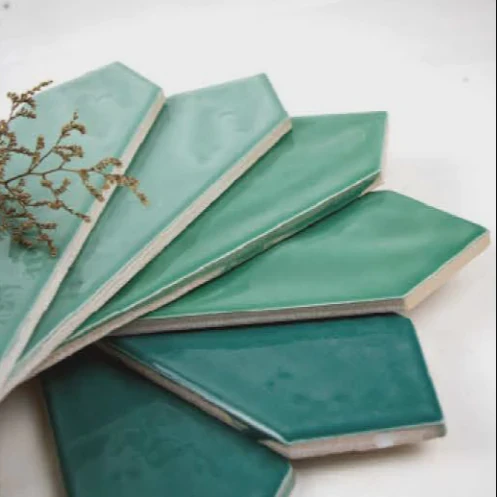
Preparing drywall correctly is one of the most important steps in tile installation. Many installers focus only on tile design or grout color. However, the wall behind the tile controls how long the installation lasts.
Inspect the Drywall Surface
The first step is checking the wall condition carefully. Drywall must be firmly attached to the studs. Loose drywall panels can flex when pressure is added. That movement may crack grout lines or loosen tiles over time.
I usually check for:
- Loose screws
- Nail pops
- Soft spots
- Water stains
- Mold damage
- Uneven joints
Any damaged section should be repaired before tiling begins.
Clean the Surface Completely
Dust is a hidden problem during tile installation. Drywall sanding leaves fine powder on the surface. Adhesive cannot bond well to dusty walls.
A simple cleaning process works best:
| Preparation Step | Purpose |
|---|---|
| Vacuum drywall dust | Improve adhesive bonding |
| Wipe with damp cloth | Remove remaining particles |
| Allow wall to dry | Prevent trapped moisture |
| Remove grease or oil | Increase adhesion strength |
Kitchen walls often collect cooking oils. Bathroom walls may contain soap residue. Both reduce adhesive performance.
Sand and Smooth Uneven Areas
Large tile formats require flat walls. Uneven drywall can create lippage, where tile edges sit at different heights.
For modern large porcelain tiles like 600×1200 mm or 750×1500 mm products, flatness becomes even more important. A slight wall bump may create visible alignment problems.
I normally use:
- Sanding blocks
- Joint compound
- Straight edges
- Laser levels
These tools help create a flat installation surface.
Prime the Drywall When Necessary
Some drywall surfaces absorb moisture too quickly from tile adhesive. Primers help control absorption and improve bond consistency.
Priming is especially useful when:
- Drywall paper feels very porous
- Old drywall repairs exist
- The wall was freshly patched
- Thin-set manufacturer recommends priming
Not every project requires primer, but it often improves installation reliability.
Check Weight Limits
Drywall can support many ceramic and porcelain tiles. However, very large stone tiles may become too heavy.
This table shows general guidance:
| Tile Type | Suitable for Standard Drywall? |
|---|---|
| Ceramic wall tile | Yes |
| Porcelain tile | Yes |
| Mosaic tile | Yes |
| Thin large-format tile | Usually yes |
| Heavy natural stone | Sometimes requires backer board |
Heavy materials may require cement board or reinforced framing.
Plan Tile Layout Before Installation
Good preparation also includes layout planning. Tile cuts should look balanced. Small edge cuts near corners often reduce visual quality.
I always recommend dry layout testing before mixing adhesive. This step helps avoid surprises during installation.
Proper preparation may feel slow at first. Yet this stage controls the quality of the final result more than any other part of the project.
How Do You Ensure Tiles Adhere to Drywall Safely?
Tiles sometimes detach from drywall because installers rush the bonding process. Poor adhesive coverage and weak installation methods increase failure risk over time.
Safe tile adhesion on drywall depends on correct adhesive selection, proper trowel use, full adhesive coverage, and stable installation conditions during curing.
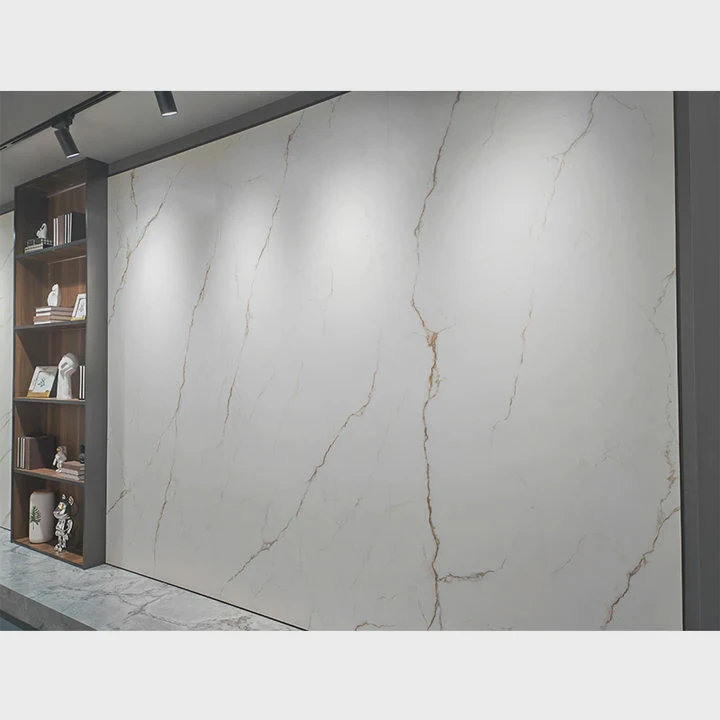
Tile adhesion is more than sticking tiles to a wall. It involves surface bonding, moisture control, curing time, and movement management. Every detail matters.
Use the Correct Trowel Size
The trowel controls adhesive thickness. Too little adhesive creates hollow spots behind tiles. Too much adhesive causes slipping.
Different tile sizes need different notch sizes.
| Tile Size | Common Trowel Size |
|---|---|
| Mosaic tile | 3–4 mm notch |
| 300×600 mm tile | 6–8 mm notch |
| 600×600 mm tile | 10 mm notch |
| Large-format tile | 10–12 mm notch |
Large tiles need stronger support and better adhesive distribution.
Achieve Full Adhesive Coverage
Incomplete coverage is one of the biggest causes of tile failure.
For wall installations, coverage should normally reach:
- 80% minimum for dry areas
- 95% for wet areas
Back buttering large porcelain tiles helps improve coverage. This method adds a thin adhesive layer directly onto the tile back before installation.
Press Tiles Correctly
Tiles should not simply be placed onto adhesive. Proper pressure removes air pockets and spreads adhesive evenly.
I often move the tile slightly side to side after pressing it into place. This improves adhesive transfer and strengthens bonding.
Allow Proper Curing Time
Many installation failures happen because the wall is disturbed too early.
Adhesive curing depends on:
- Temperature
- Humidity
- Tile size
- Adhesive type
- Ventilation
Large porcelain tiles dry slower because less air reaches behind the tile.
Avoid Excess Moisture During Installation
Drywall absorbs moisture. Excess water exposure weakens drywall paper and gypsum core.
That is why installers should avoid:
- Overwatering adhesive
- Installing on damp walls
- Flooding grout joints during cleanup
Controlled moisture improves installation stability.
Use Tile Spacers for Consistency
Tile spacers help maintain even grout joints and reduce tile movement during installation.
Common spacer sizes include:
- 1.5 mm
- 2 mm
- 3 mm
Smaller grout joints are popular in modern large-format porcelain installations.
Control Wall Movement
Structural movement can crack grout or loosen tiles. Drywall movement often comes from:
- Weak framing
- Humidity expansion
- Building settling
- Door vibration
Movement joints in larger tiled areas help reduce stress buildup.
Monitor Installation Conditions
Professional installers usually monitor room conditions carefully.
Ideal conditions often include:
| Condition | Recommended Range |
|---|---|
| Temperature | 10–30°C |
| Humidity | Moderate |
| Ventilation | Good airflow |
| Wall dryness | Fully dry |
Stable conditions help adhesives cure evenly and safely.
Which Adhesives Are Best for Drywall Surfaces?
Many tile problems start with the wrong adhesive. Some products bond poorly to drywall, while others cannot support heavy porcelain tiles safely.
Polymer-modified thin-set mortar is usually the best adhesive for drywall tile installation because it provides strong bonding, flexibility, and long-term durability for ceramic and porcelain tiles.
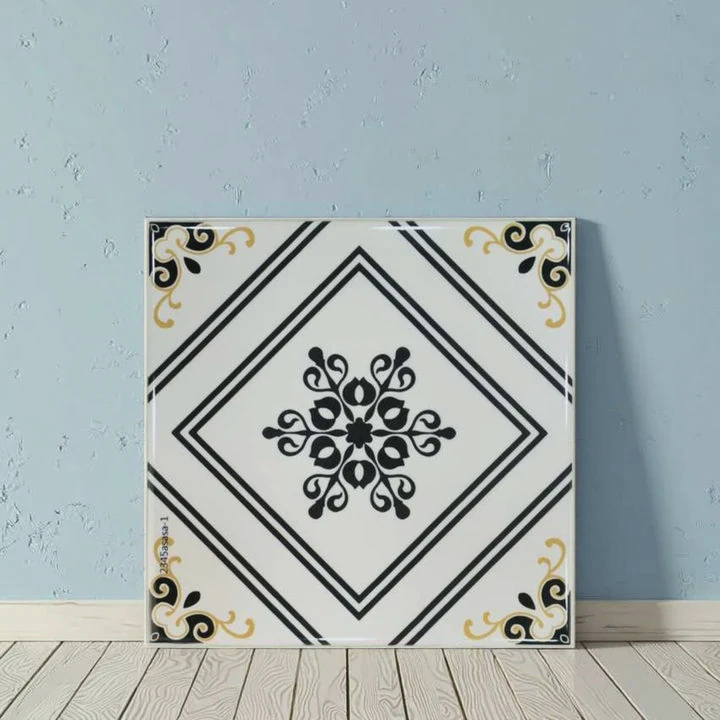
Choosing adhesive depends on tile size, wall condition, moisture exposure, and project type. Different adhesives perform differently under stress.
Polymer-Modified Thin-Set Mortar
This is the most common professional choice.
Benefits include:
- Strong bonding strength
- Better flexibility
- Improved moisture resistance
- Suitable for porcelain tiles
- Long-term durability
Large-format porcelain tiles especially benefit from modified thin-set adhesives.
Premixed Mastic Adhesive
Mastic works for some wall tile projects. It is easy to use and popular for small ceramic tiles in dry areas.
However, it has limitations.
| Feature | Mastic | Thin-Set Mortar |
|---|---|---|
| Ease of use | Very easy | Moderate |
| Water resistance | Limited | Better |
| Heavy tile support | Limited | Strong |
| Wet area use | Restricted | Suitable |
| Drying speed | Slow behind large tiles | More stable |
I usually avoid mastic for large porcelain tiles or wet environments.
Large-Format Tile Adhesives
Modern tile trends continue moving toward larger tile sizes. Large tiles place more stress on walls.
Specialized large-format adhesives provide:
- Reduced sagging
- Higher grab strength
- Better weight support
- Improved leveling performance
These adhesives are especially useful for 600×1200 mm and larger wall tiles.
Flexible Adhesives for Movement
Buildings naturally expand and contract. Flexible adhesives help absorb slight movement.
This becomes important in:
- High-rise buildings
- Areas with temperature swings
- Commercial projects
- Exterior transition walls
Flexible systems reduce cracking risk.
Adhesive Selection by Tile Type
Different tile materials may require different adhesive properties.
| Tile Material | Recommended Adhesive |
|---|---|
| Ceramic tile | Standard modified thin-set |
| Porcelain tile | High-performance modified mortar |
| Glass mosaic | White thin-set mortar |
| Natural stone | Stone-specific mortar |
| Large slabs | Large-format tile adhesive |
Using the wrong adhesive can reduce bond strength significantly.
Follow Manufacturer Instructions
Every adhesive has different mixing and curing requirements.
Key points include:
- Water ratio
- Pot life
- Open time
- Cure time
- Temperature limits
Many failures happen because installers add too much water or spread too much adhesive at once.
Do Not Rush Adhesive Drying
Fresh tile installations need stable curing conditions. Heavy traffic or cleaning too early may weaken the bond before full curing finishes.
Patience during curing helps prevent long-term problems.
When Should Waterproofing Be Added Before Tiling?
Water damage behind tile often stays hidden for years. Many drywall failures happen because waterproofing was skipped in moisture-prone areas.
Waterproofing should be added before tiling in showers, bathroom walls, kitchen backsplashes near water exposure, laundry rooms, and any area where moisture may penetrate behind the tile surface.
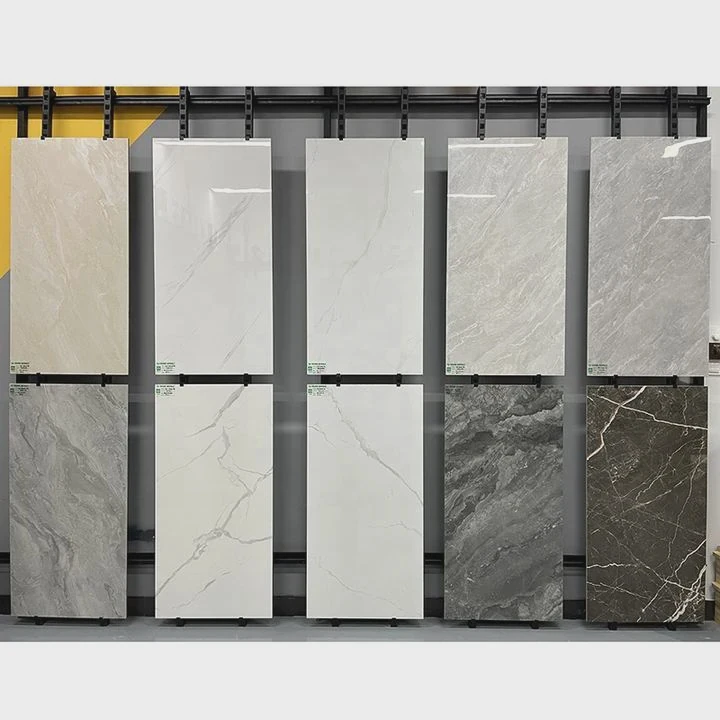
Many people think tile itself is waterproof. In reality, grout joints and installation gaps still allow moisture penetration over time.
Understand the Risk of Moisture
Drywall is highly sensitive to water exposure. Once moisture enters the gypsum core, problems begin quickly.
Common issues include:
- Mold growth
- Soft drywall
- Tile detachment
- Swelling
- Staining
Wet environments need extra protection before tile installation starts.
Areas That Require Waterproofing
Some spaces absolutely require waterproof systems.
These include:
| Area | Waterproofing Needed? |
|---|---|
| Shower walls | Yes |
| Bathtub surrounds | Yes |
| Steam rooms | Yes |
| Laundry walls | Often yes |
| Kitchen backsplash | Sometimes |
| Dry interior walls | Usually no |
The amount of moisture exposure determines the level of protection needed.
Types of Waterproofing Systems
Several waterproofing methods are common in tile projects.
Liquid Waterproof Membranes
These coatings are rolled or brushed onto drywall surfaces.
Benefits include:
- Easy application
- Seamless coverage
- Good flexibility
- Suitable for many wall areas
Multiple coats are usually required.
Waterproof Backer Boards
In high-moisture areas, installers may replace drywall completely with cement board or foam backer systems.
These products resist moisture much better than drywall.
Waterproof Sheet Membranes
Sheet membranes create highly reliable moisture barriers. Many professional shower systems use them.
Advantages include:
- Consistent thickness
- Excellent waterproofing
- Crack isolation benefits
They require careful seam sealing during installation.
Waterproofing Around Penetrations
Pipe openings and corners are common leak points.
Special attention should go to:
- Shower valves
- Pipe penetrations
- Niches
- Corners
- Horizontal joints
These areas often fail first if waterproofing is incomplete.
Waterproofing Does Not Replace Good Installation
Even the best membrane cannot fix poor workmanship.
Installers still need:
- Proper adhesive coverage
- Correct grout application
- Movement joints
- Proper curing
The entire system works together.
Why Waterproofing Matters in Long-Term Projects
Commercial and residential projects both benefit from waterproofing. Long-term durability matters especially for hotels, apartments, and high-traffic buildings.
In many export markets, builders now request waterproof systems as standard practice for wet zones.
Modern porcelain tile installations often last decades when moisture protection is handled correctly from the beginning.
Conclusion
Drywall tiling succeeds when preparation, adhesive selection, tile bonding, and waterproofing are handled carefully. Strong installation methods help tiles stay secure, improve durability, and reduce costly repairs over time.