How to Remove Floor Tile?
- Sinotiles
- 2026-03-17
Old floor tiles often crack, stain, or fall out of style. Many people want to replace them, but tile removal looks hard and messy. Without a clear process, the job feels overwhelming.
Floor tiles can be removed with the right preparation, tools, and method. Start by clearing the space, breaking tiles with proper tools, removing adhesive, and checking the subfloor for repairs before installing new tiles.
Removing floor tile is not only about force. The real work is preparation, understanding why tiles stick so strongly, and knowing how to protect the subfloor underneath.
What Preparation Is Needed Before Removing Floor Tiles?
A tile removal project often fails before it even starts. Many people rush into breaking tiles without preparation. This mistake can damage the subfloor or create unnecessary dust and waste.
Proper preparation includes clearing the room, protecting nearby surfaces, turning off utilities if needed, and gathering safety equipment and tools before tile removal begins.
Removing tiles creates dust, debris, and sharp edges. A well-prepared workspace keeps the job safe and efficient.
Clear the Work Area
The first step is simple. Remove everything from the room.
Furniture, rugs, and appliances must be moved out. Even small items can block movement or get damaged during tile removal.
Large renovation projects often require removing baseboards or trim as well. This helps avoid accidental damage when tools hit the wall.
Protect Nearby Surfaces
Tile removal creates a lot of flying debris.
Plastic sheets or drop cloths should cover nearby cabinets, doors, or walls. Dust barriers can help protect other rooms in the building.
Ventilation also helps reduce dust buildup.
Wear Safety Equipment
Tile shards are sharp. Adhesive dust can also irritate lungs.
Basic safety gear should always be used.
| Safety Equipment | Purpose |
|---|---|
| Safety goggles | Protect eyes from flying tile fragments |
| Work gloves | Prevent cuts from sharp tile edges |
| Dust mask or respirator | Reduce inhalation of tile dust |
| Knee pads | Protect knees during long work periods |
These small precautions can prevent injuries during demolition.
Identify Tile Type and Installation Method
Different tile types require different removal strategies.
Ceramic tiles often break easily. Porcelain tiles are stronger and harder to remove. Large format tiles may come off in bigger sections.
Adhesive type also matters. Thin-set mortar bonds tiles strongly to the subfloor, while older installations may use mastic.
Understanding this before starting helps choose the right tools.
Plan Waste Disposal
Tile removal creates heavy debris.
Broken tiles and mortar can quickly fill several buckets. Planning disposal in advance keeps the work area organized.
Contractors often use heavy-duty trash bags or construction bins to manage debris.
Why Are Floor Tiles Difficult to Remove Sometimes?
Many homeowners expect tiles to pop out easily. In reality, some tiles seem glued permanently to the floor.
Tiles become difficult to remove because of strong mortar adhesion, proper installation methods, large tile formats, and strong subfloor bonding.
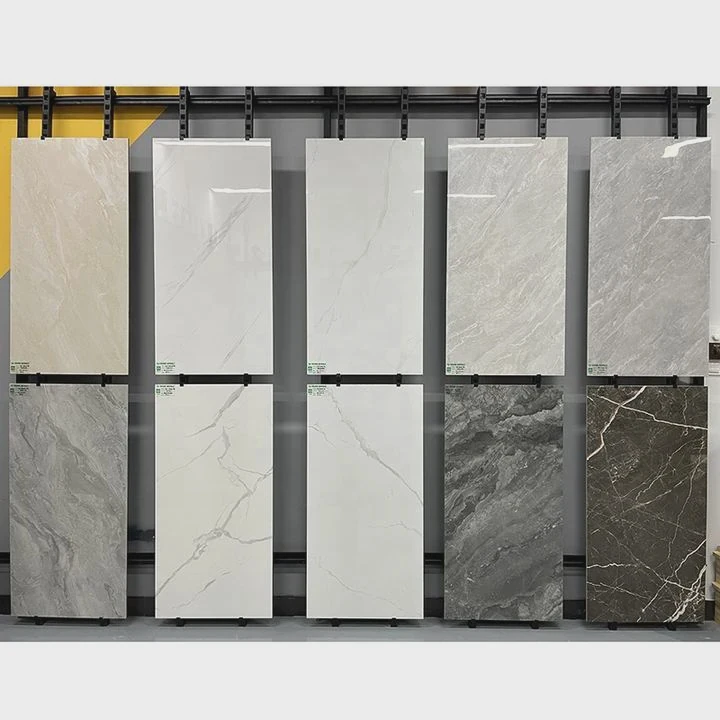
Understanding why tiles resist removal helps choose the right technique instead of applying unnecessary force.
Strong Mortar Bond
Thin-set mortar is designed to last for decades.
Once it cures, it forms a strong mechanical bond between the tile and the subfloor. This bond resists moisture, pressure, and movement.
Removing tiles installed with high-quality mortar often requires breaking the tile first before removing the adhesive layer.
Professional Installation
Well-installed tiles are actually harder to remove.
Professional installers spread mortar evenly, press tiles firmly, and allow proper curing time. This process creates maximum adhesion.
While this is excellent for durability, it makes removal more challenging later.
Large Format Tiles
Modern flooring trends often use large tiles.
Large tiles such as 600×1200 mm or 900×1800 mm create fewer grout lines and a cleaner appearance. However, they also create a larger bonding surface.
The larger the tile, the stronger the bond to the floor.
Tile Age
Older tiles can behave differently.
Some old installations use weaker adhesives that dry out over time. These tiles may loosen easily.
However, other installations become extremely rigid after decades of curing.
Subfloor Material
Tile removal difficulty also depends on the subfloor type.
| Subfloor Type | Removal Difficulty |
|---|---|
| Concrete slab | Hardest due to strong mortar bonding |
| Cement board | Moderate difficulty |
| Plywood | Easier but risk of surface damage |
Concrete installations usually require heavier tools because the mortar bonds directly to the slab.
Grout Strength
Grout also locks tiles together.
Strong grout joints prevent tiles from moving individually. The first tile often requires the most effort to break.
Once the first tile is removed, neighboring tiles become easier to loosen.
When Should Subfloor Repairs Follow Tile Removal?
Many people focus only on removing tiles. However, the condition of the subfloor determines the success of the new tile installation.
Subfloor repairs should be done whenever tile removal exposes cracks, uneven surfaces, water damage, or loose structural areas before installing new flooring.
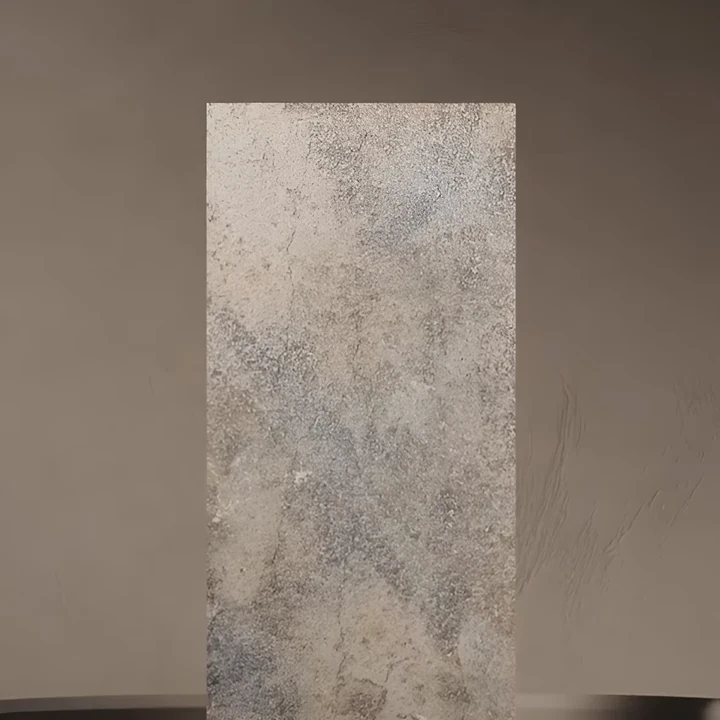
Skipping this step can cause future tiles to crack or loosen.
Inspect the Subfloor Immediately
After removing tiles and adhesive, the subfloor becomes visible.
This is the best time to inspect the surface carefully.
Look for:
- Cracks in concrete
- Loose plywood sheets
- Water damage
- Uneven surfaces
- Old adhesive residue
Small issues can become major problems if ignored.
Level the Surface
Tiles require a flat surface.
Uneven floors can cause tiles to crack or create hollow spots under the tile.
Self-leveling compound is often used to fix uneven concrete surfaces.
Repair Structural Damage
Sometimes tile removal reveals structural issues.
Water leaks or long-term moisture can weaken plywood or subfloor panels.
In such cases, damaged materials must be replaced.
Remove Old Adhesive
Mortar residue must be removed before installing new tiles.
Grinding tools or floor scrapers can smooth the surface.
A clean surface allows the new mortar to bond properly.
Moisture Testing
Moisture can damage tile installations.
Concrete slabs should be tested for moisture levels before installing new flooring. High moisture can weaken adhesives over time.
Subfloor Preparation Checklist
| Inspection Area | Action Needed |
|---|---|
| Cracks in concrete | Fill with repair compound |
| Uneven surface | Apply leveling compound |
| Loose plywood | Secure with screws |
| Old mortar residue | Grind or scrape surface |
Proper preparation of the subfloor increases the lifespan of the new flooring.
Which Tools Speed Up Floor Tile Removal?
The right tools can reduce hours of labor.
Trying to remove tiles with only a hammer often makes the process slow and exhausting.
Efficient tile removal uses specialized tools such as demolition hammers, floor scrapers, chisels, and power tools designed to break tiles and remove mortar quickly.
Professional contractors rely on specific tools to speed up the demolition process.
Basic Manual Tools
For small areas, simple tools may be enough.
Common manual tools include:
- Hammer
- Cold chisel
- Floor scraper
- Pry bar
These tools help break the first tile and loosen surrounding tiles.
Power Tools for Faster Removal
Large areas require power tools.
Electric demolition hammers can break tiles much faster than manual tools.
Oscillating multi-tools can also cut grout lines to loosen tiles.
Mortar Removal Tools
After tiles are removed, adhesive must also be cleared.
Tools used for this step include:
- Rotary hammer with chisel bit
- Floor grinder
- Heavy-duty scraper
These tools remove thin-set mortar and prepare the surface for new flooring.
Tool Comparison
| Tool | Best Use |
|---|---|
| Hammer and chisel | Small areas or single tile replacement |
| Rotary hammer | Breaking stubborn tiles |
| Floor scraper | Removing loose tiles and mortar |
| Demolition hammer | Large floor demolition projects |
Professional Tip
Breaking the first tile is often the hardest step.
Contractors usually start near the center of the floor rather than the edge. Once the first tile is removed, tools can slide under the surrounding tiles more easily.
Using proper tools reduces fatigue and prevents damage to the subfloor.
Conclusion
Removing floor tiles requires preparation, proper tools, and careful inspection of the subfloor. When done correctly, tile removal becomes manageable and prepares the surface for durable, beautiful new flooring.