How to Remove Mold From Tile Grout?
- Sinotiles
- 2026-03-17

Mold on grout looks small at first, but it can spread fast, stain the surface, and make a clean bathroom feel dirty and unsafe.
The best way to remove mold from tile grout is to use the right cleaner, scrub with care, dry the area well, and reseal the grout when needed. Good airflow and daily moisture control help stop mold from coming back.
Many people clean the tiles and still miss the real problem in the grout lines. That is where mold holds on. A better result comes from knowing which cleaner works, why mold starts, when resealing matters, and how to keep the grout dry after cleaning.
What Cleaners Kill Mold in Tile Grout?
Mold in grout can survive weak cleaning. Many people wipe the surface, but the dark marks stay inside the porous grout. That is why the bathroom can still look dirty even after a quick wash.
Cleaners that usually kill mold in tile grout include white vinegar, hydrogen peroxide, baking soda paste, oxygen bleach, and some commercial mold removers. The best choice depends on how deep the mold is, how stained the grout looks, and how strong the cleaner is for indoor use.
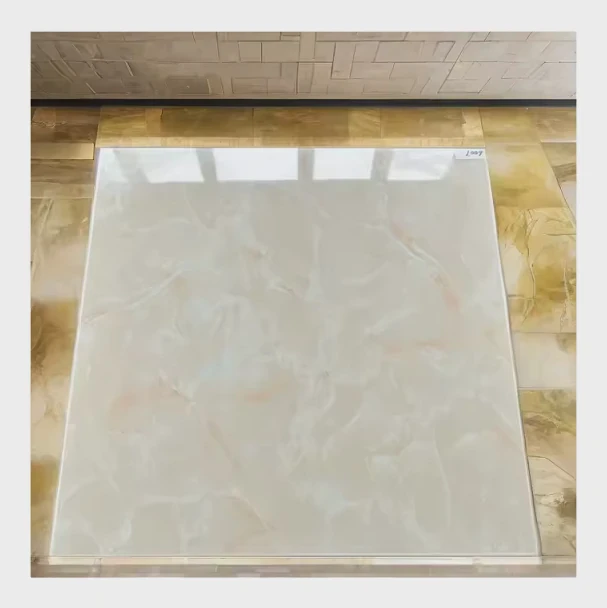
Grout is not like glazed tile. Tile often has a smooth surface. Grout has tiny pores, so water, soap film, body oil, and dirt can sit inside it. Mold feeds on that mix. A cleaner needs to do two jobs at once. It needs to kill the mold and also loosen the dirt that protects it.
Common cleaner options
In most homes, I start by looking at the safest and simplest options first. White vinegar is a common pick. It can help with mild mold and light stains. Hydrogen peroxide is another strong choice. It can kill mold and also brighten grout. Baking soda does not kill mold by itself as well as vinegar or peroxide, but it helps scrub the grout and lift dirt. Oxygen bleach is useful when the grout has both mold and deep staining. Commercial mold cleaners can work fast, but they should be used with care and good ventilation.
What each cleaner does
| Cleaner | Best use | Notes |
|---|---|---|
| White vinegar | Mild surface mold | Good first step for light growth |
| Hydrogen peroxide | Mold plus light staining | Helps disinfect and brighten |
| Baking soda paste | Scrubbing dirty grout | Works best with another cleaner |
| Oxygen bleach | Deep cleaning stained grout | Stronger on discoloration |
| Commercial mold remover | Heavy mold buildup | Follow label and ventilate well |
A simple cleaning method
A practical method is easy to follow. First, apply the cleaner to dry or only slightly damp grout. Let it sit for several minutes so it can work into the pores. Then scrub with a grout brush or an old toothbrush. A stiff brush helps, but it should not be so hard that it damages the grout. Rinse well. After that, dry the area with a clean cloth or towel.
One mistake I often see is mixing random cleaners. That is risky. Some chemical mixes can release dangerous fumes. It is much safer to use one cleaner at a time, rinse fully, and test a small area first. Another mistake is using too much water during cleaning. Extra water can soak the grout again and make the problem worse later.
What matters most
The best cleaner is not always the strongest one. The best cleaner is the one that matches the level of mold, is safe for the space, and is followed by good drying. If the mold stain stays after cleaning, the mold may be dead but the discoloration may remain. In that case, more cleaning or grout renewal may be needed. The goal is not only a whiter line. The goal is a clean, dry grout line that does not support new mold growth.
Why Does Mold Grow in Bathroom Grout Lines?
A bathroom can look clean and still have mold in the grout. That happens because grout lines stay wet longer than many people think. The surface dries first, but the grout can hold moisture much longer.
Mold grows in bathroom grout lines because grout is porous, bathrooms stay humid, and water often sits in corners, joints, and wall edges. Soap film, dust, and skin oils give mold a food source, and poor airflow lets it spread faster.

Mold needs only a few basic things: moisture, warmth, and organic material. Most bathrooms provide all three. Showers fill the room with steam. Water lands on walls and floors. Soap leaves residue. Towels hold moisture. In a bathroom with weak ventilation, all of this stays trapped. Grout becomes the weak point because it absorbs what the tile surface does not.
Why grout is an easy target
Grout is made to fill the space between tiles. It is useful, but it is also more open in structure than tile. That means it can absorb water and hold dirt. When sealant wears down, the problem gets worse. Mold spores that float in the air can land on the grout and begin to grow if the surface stays damp.
Main causes of mold in grout
| Cause | How it helps mold grow | Common sign |
|---|---|---|
| Poor ventilation | Traps steam and humidity | Bathroom stays damp long after use |
| Standing water | Keeps grout wet | Dark corners near tub or shower |
| Soap film and residue | Feeds mold | Slimy or dull surface |
| Failed grout sealer | Lets in more moisture | Uneven color or fast staining |
| Infrequent cleaning | Lets buildup stay in place | Black or pink lines in joints |
Hidden patterns that make it worse
Some bathrooms have design issues that make mold return again and again. Tight corners dry slowly. Shower niches trap water. Low sunlight can keep the room cool and damp. If the fan is weak or not used long enough, steam stays in the room. In older bathrooms, grout may already have tiny cracks. Those cracks hold moisture and dirt even after the visible surface looks dry.
A daily habit can also shape the problem. A hot shower every morning fills the room with steam. Then the door closes, and no one wipes the walls. That cycle repeats every day. Over time, grout darkens. At first, it may look like dirt. Later, mold settles in.
Why cleaning alone is not enough
Removing visible mold is only one part of the job. If moisture control does not improve, mold often returns. In my experience, the real fix starts when the room dries faster after every shower. A dry bathroom gives mold less chance to start again. That is why airflow, wiping surfaces, and checking old sealant matter as much as the cleaner itself. Mold is not only a cleaning issue. It is also a moisture management issue.
When Should Grout Be Resealed After Mold Removal?
Many people clean mold, feel satisfied with the result, and stop there. Then a few weeks later, the dark spots return. The reason is simple. Clean grout is still exposed grout if the seal is gone.
Grout should be resealed after mold removal once the grout is fully clean and completely dry. In many cases, this means waiting at least 24 to 72 hours after cleaning, depending on room humidity, grout condition, and how much water was used.
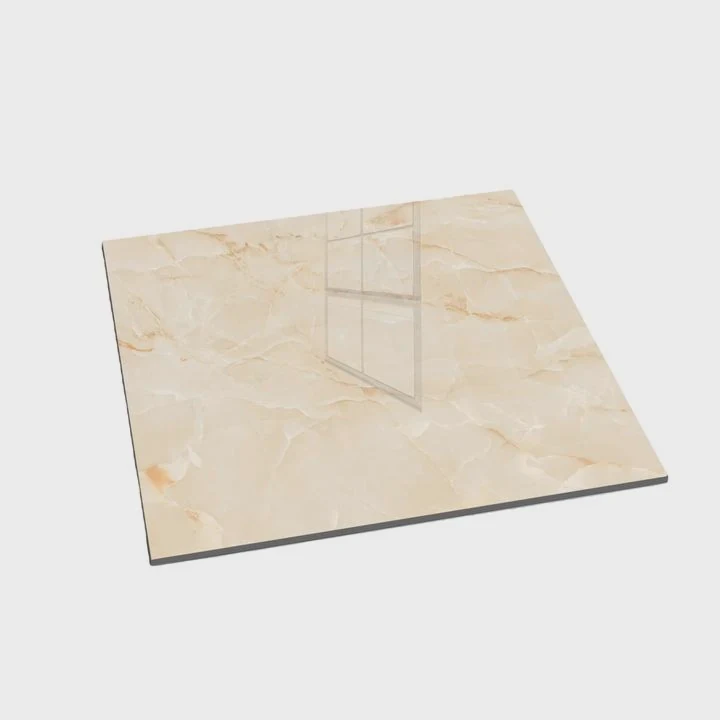
Resealing is important because grout acts like a sponge when unprotected. A sealer helps reduce water penetration, staining, and dirt buildup. It does not make grout fully waterproof in every case, but it adds an important layer of defense.
Why timing matters
If sealer is applied too soon, moisture can get trapped inside the grout. That can weaken the result and may even support future mold growth under the surface. So the grout has to be both clean and dry before sealing begins. Drying time depends on several things. A small spot clean may dry fast. A full shower scrub with lots of rinsing water may need much longer.
Signs grout is ready for sealing
I do not judge only by the clock. I also look at the grout itself. It should have an even dry color. It should not feel cool or damp to the touch. The room should also have had enough airflow. Opening windows, running the fan, and avoiding shower use during drying all help.
Basic resealing checklist
1. Make sure the mold is removed
The grout should be free of active mold, dirt, and soap film. Sealer should never go over grime.
2. Let the grout dry fully
Dry time matters. In humid bathrooms, the wait may be longer than expected.
3. Check for damage
If grout is cracked, crumbling, or missing in spots, sealing alone will not fix it. Repair comes first.
4. Apply sealer evenly
Use a grout sealer made for the bathroom area. Follow the product directions closely.
5. Let the sealer cure
After application, the sealer often needs more time before water exposure.
Resealing also depends on the condition of the grout. Newer grout may accept sealer well and stay protected longer. Older grout may need repair or partial replacement before sealing makes sense. If mold has deeply stained or damaged the grout, a color seal or regrouting may give a better result than standard clear sealer.
A good rule is simple: clean first, dry fully, repair if needed, then seal. Skipping any of those steps usually leads to short-term results. Sealer works best as protection after proper mold removal, not as a quick cover over an unfinished job.
Which Prevention Methods Stop Mold Returning?
The hardest part of mold removal is not the first cleaning. The hardest part is keeping the grout clean after that. Mold returns when daily moisture stays in the room and small habits do not change.
The best prevention methods are reducing humidity, drying tile surfaces after use, improving airflow, cleaning soap residue often, and keeping grout sealed. Mold returns less often when the bathroom dries quickly every day.
Prevention does not need to be complicated. It needs to be consistent. Most mold problems come from repeated moisture, not from one single event. A bathroom that stays damp every day gives mold many chances to return.
Daily habits that make the biggest difference
A bathroom fan should run during the shower and keep running after the shower ends. If there is a window, opening it helps release humid air. A squeegee or dry cloth can remove water from wall tiles, glass, and corners in less than a minute. That small step cuts down the time moisture sits on the grout.
Towels, bath mats, and shower curtains also matter. If they stay wet in a closed room, they add moisture to the air. Hanging them to dry well helps more than many people expect.
Best prevention methods compared
| Prevention method | Why it works | How often |
|---|---|---|
| Run exhaust fan | Reduces humidity | Every shower |
| Wipe tiles and grout | Removes standing water | Daily or after use |
| Clean soap residue | Removes mold food source | Weekly |
| Reseal grout | Lowers water absorption | As needed, often every 6–12 months in wet zones |
| Repair cracks quickly | Stops trapped moisture | When damage appears |
Build a simple routine
A prevention plan works best when it is easy to repeat. I like to think in three layers.
First layer: remove moisture fast
Use the fan, open the door or window when possible, and wipe down wet areas. Fast drying is the first defense.
Second layer: remove mold food
Soap film, shampoo splash, dust, and body oil all help mold. Weekly cleaning removes that layer before mold can build.
Third layer: protect the grout
Sealed grout resists moisture better. Repaired grout gives mold fewer places to hide.
When prevention needs more than routine care
Sometimes mold keeps returning even when the cleaning is regular. In that case, the room may have a deeper issue. There may be a leaking pipe, failed caulk, hidden dampness behind the wall, or a fan that is too weak for the size of the bathroom. In these cases, surface cleaning alone will not solve the problem. A repeat pattern usually points to trapped moisture somewhere in the system.
Good prevention is not about one perfect product. It is about making the bathroom a poor place for mold to live. Dry air, clean surfaces, sound grout, and strong maintenance work together. That is what turns mold removal from a short fix into a lasting result.
Conclusion
Removing mold from tile grout takes more than one strong cleaner. A lasting result comes from proper cleaning, full drying, timely resealing, and simple daily habits that keep moisture under control.