How to take down tile wall?
- Sinotiles
- 2026-03-18
Tearing down a tile wall sounds simple. Many people rush in and damage walls, floors, or pipes. That mistake leads to higher repair cost and wasted time.
The right way to take down a tile wall is to prepare the area, use proper tools, remove tiles step by step, and protect the base surface to reduce damage.
This guide walks through each key step. It helps avoid common mistakes and explains what really happens behind tiles.
What safety steps protect surfaces during tile wall removal?
Removing tiles without protection can scratch floors, crack nearby walls, and spread dust everywhere. Many people only think about the tiles and forget the space around them.
The best safety steps include covering floors, sealing nearby areas, turning off utilities, and using protective gear to prevent damage and injury.
When planning tile removal, the first step is not breaking tiles. It is protecting everything around the work area. Dust, debris, and sharp fragments can travel far and cause hidden damage.
Basic protection setup
A simple setup can prevent most problems:
| Area | Protection Method | Why It Matters |
|---|---|---|
| Floor | Thick drop cloth or plywood | Prevent scratches and cracks |
| Furniture | Plastic sheets | Avoid dust and debris |
| Doorways | Sealed plastic barriers | Stop dust spreading |
| Electrical outlets | Tape cover | Reduce safety risk |
Many contractors skip sealing doorways. Dust then spreads to the whole house. That leads to long cleaning time and customer complaints.
Personal safety steps
Safety is not only about surfaces. It is also about the person doing the job.
- Wear safety goggles to block flying tile pieces
- Use gloves to prevent cuts
- Wear a dust mask to avoid breathing fine particles
- Use ear protection if using power tools
Tile removal creates sharp edges. Even small fragments can cut skin easily. A mask is also important because old adhesives may release harmful dust.
Hidden risks behind walls
Tile walls are not always simple. Some walls hide pipes or wires. Hitting them can cause serious damage.
Before starting, it is important to:
- Turn off water supply in bathrooms or kitchens
- Turn off electricity near the wall
- Check wall layout if possible
Work zone control
Keeping a clean work zone makes the job easier.
- Remove loose items nearby
- Keep tools organized
- Clean debris regularly
A messy area increases accidents. Small steps like cleaning as you go can save time later.
Why can tile adhesive damage drywall surfaces?
Many people think tiles are the main problem. In reality, the adhesive behind them often causes more damage than the tiles themselves.
Tile adhesive bonds strongly to drywall, and removing tiles can pull off the paper layer or even break the gypsum core, leaving the wall uneven and weak.
Tile adhesive is designed to hold tiles for many years. That strength becomes a problem during removal.
How adhesive interacts with drywall
Drywall has a soft inner core and a paper surface. Adhesive sticks tightly to that paper layer.
When tiles are removed:
- The paper layer often tears
- The surface becomes rough
- In some cases, chunks of drywall come off
This damage is common, especially with strong cement-based adhesives.
Types of adhesive and their impact
Different adhesives behave differently:
| Adhesive Type | Bond Strength | Damage Risk |
|---|---|---|
| Mastic (ready-mix) | Medium | Moderate |
| Thin-set mortar | High | High |
| Epoxy adhesive | Very high | Severe |
Thin-set mortar is the most common. It creates a strong mechanical bond. That is why drywall damage often happens in bathrooms and kitchens.
Why damage is often unavoidable
Even with careful removal, some damage is expected. The reason is simple:
- Adhesive is stronger than drywall paper
- Tiles do not release cleanly
- Force transfers to the wall surface
Trying to avoid all damage can slow down the process too much. A better approach is to expect damage and plan repairs.
Signs of severe adhesive damage
After removing tiles, check for:
- Large torn areas
- Deep gouges
- Crumbling drywall
These signs mean the wall may need more than simple patching.
Practical insight from real projects
In many renovation cases, trying to save drywall costs more time than replacing it. For large areas, replacing drywall panels can be faster and cleaner.
When should wall surfaces be repaired after removal?
After tile removal, many people want to move directly to installing new tiles. That step can cause long-term problems if the surface is not ready.
Wall surfaces should be repaired immediately after tile removal, before any new installation, to ensure a flat, stable, and long-lasting finish.
Timing matters a lot in this stage. Delaying repairs can lead to poor results later.
Why immediate repair is important
A damaged wall cannot support new tiles properly. Problems include:
- Uneven tile alignment
- Weak bonding
- Cracks over time
Fixing the wall early ensures a smooth installation process.
Types of repairs needed
The repair level depends on damage severity:
Minor damage
- Small holes or scratches
- Light surface tearing
Solution:
- Use joint compound
- Sand smooth
Moderate damage
- Larger torn areas
- Uneven surfaces
Solution:
- Apply multiple layers of compound
- Sand and level carefully
Severe damage
- Deep holes
- Structural weakness
Solution:
- Replace drywall sections
- Reinforce backing if needed
Surface preparation steps
Before installing new tiles:
- Clean all dust and debris
- Smooth the surface completely
- Apply primer if needed
- Check flatness with a level
Skipping these steps can lead to uneven tiles. That affects both appearance and durability.
Moisture considerations
In wet areas like bathrooms, repairs must include moisture protection.
- Use cement board instead of drywall in some cases
- Apply waterproof membrane
- Seal edges properly
Long-term impact of poor repair
Poor surface repair often leads to:
- Tile cracking
- Adhesive failure
- Water damage
Fixing these issues later is much more expensive.
Which tools are best for removing tile walls?
Using the wrong tools makes tile removal slow and messy. The right tools improve efficiency and reduce wall damage.
The best tools include a hammer, chisel, pry bar, and power tools like oscillating tools or demolition hammers, depending on the project size.
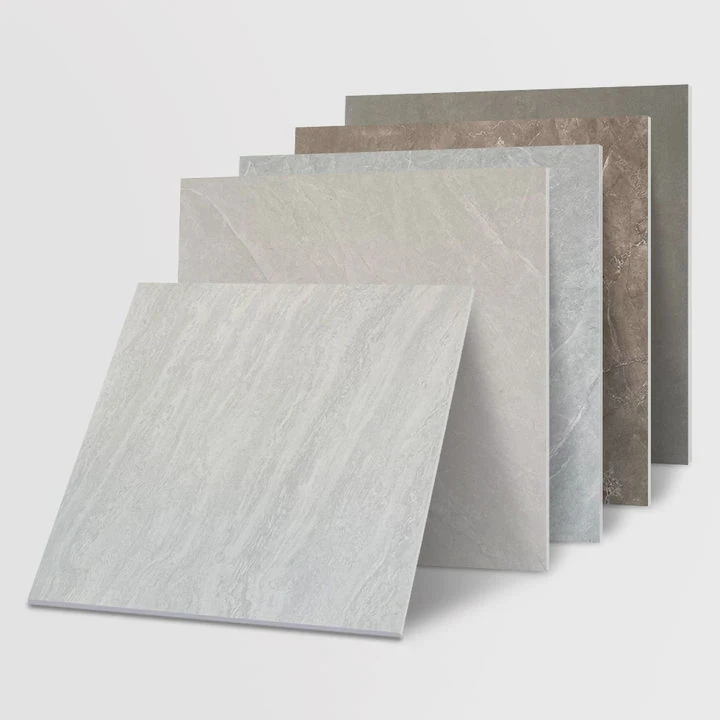
Choosing tools depends on the tile type, adhesive strength, and wall condition.
Essential manual tools
These tools are basic but effective:
| Tool | Function | Best Use |
|---|---|---|
| Hammer | Break tiles | Starting removal |
| Chisel | Separate tiles | Controlled removal |
| Pry bar | Lift tiles | Larger sections |
| Scraper | Remove adhesive | Surface cleaning |
Manual tools give better control. They are useful for small areas or delicate work.
Power tools for efficiency
For larger projects, power tools save time:
- Oscillating multi-tool for precise cuts
- Angle grinder for tough adhesive
- Demolition hammer for fast removal
These tools increase speed but require more skill.
Choosing the right tool strategy
The best approach often combines tools:
- Start with a hammer and chisel
- Use a pry bar for larger sections
- Switch to power tools for stubborn areas
Tool safety tips
Power tools can be dangerous if used incorrectly.
- Always wear protective gear
- Keep a firm grip
- Avoid working near hidden pipes
Cost vs efficiency
Manual tools are cheaper but slower. Power tools cost more but reduce labor time.
For professionals or large projects, power tools are usually worth the investment.
Real-world tool selection insight
In many cases, using only power tools leads to more wall damage. A mixed approach gives better control and results.
Conclusion
Removing a tile wall requires planning, proper tools, and careful surface handling. Protect the area, expect adhesive damage, repair surfaces early, and choose tools wisely for the best results.