What Is Travertine Tile?
- Sinotiles
- 2026-04-11
Choosing the right tile can feel confusing. Many buyers face too many options. Travertine often appears, but its real value is unclear to many people.
Travertine tile is a natural limestone formed by mineral deposits. It offers a unique porous texture, warm tones, and strong durability, making it a popular choice for flooring, walls, and outdoor spaces.
Many buyers ask the same questions before making a decision. They want to understand how it compares, where to use it, and how to maintain it. This guide answers those key questions in a clear way.
How is travertine different from other stone tiles?
Many buyers struggle to choose between marble, granite, and travertine. Each looks similar at first glance. But the differences can affect long-term results.
Travertine is softer and more porous than granite but less dense than marble, offering a natural, textured look with better slip resistance and a warmer appearance.
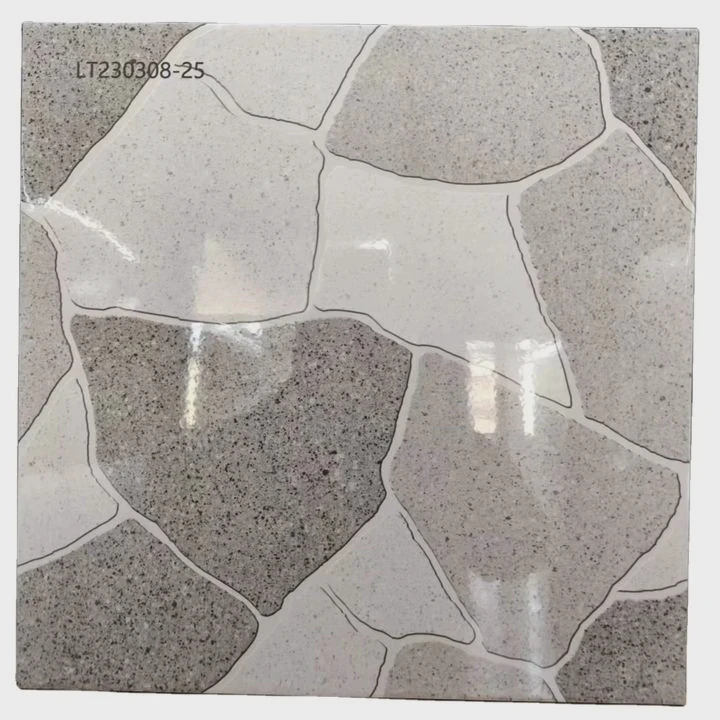
Travertine stands out because of its formation process. It forms in mineral springs, especially hot springs. This process creates small holes and voids inside the stone. These holes give travertine its well-known textured look.
Key Differences Between Stone Tiles
| Feature | Travertine | Marble | Granite |
|---|---|---|---|
| Density | Medium | Medium-High | Very High |
| Surface | Porous, textured | Smooth, polished | Hard, grainy |
| Slip Resistance | Good | Low | Medium |
| Maintenance | Medium | High | Low |
Surface Appearance
Travertine has a more natural and rustic look. Marble looks more polished and elegant. Granite looks more modern and strong. This makes travertine a better fit for warm and classic designs.
Durability vs Flexibility
Granite is harder. It resists scratches well. But it is harder to cut and process. Travertine is softer. It is easier to shape and install. This flexibility helps in custom projects.
Cost Consideration
Travertine usually sits in the mid-range price. Marble can be expensive. Granite varies based on quality. For many buyers, travertine offers a good balance between cost and design.
Design Adaptability
Travertine works well in many styles:
- Mediterranean interiors
- Rustic homes
- Outdoor patios
- Commercial walkways
This flexibility makes it a preferred option for many projects.
Why is travertine popular in flooring projects?
Flooring decisions are long-term investments. Buyers want durability, style, and value. Travertine often appears in both residential and commercial projects.
Travertine is popular because it combines natural beauty, moderate durability, slip resistance, and cost-effectiveness, making it suitable for both indoor and outdoor flooring.
Travertine has been used for centuries. Many historical buildings still use it today. This proves its long-term performance.
Natural Aesthetic Appeal
Travertine offers soft, earthy tones:
- Beige
- Ivory
- Walnut
- Gold
These colors create a warm and inviting space. Unlike artificial tiles, each piece is unique.
Comfort Underfoot
Travertine stays cool in hot weather. This makes it ideal for warm regions. It also feels softer compared to granite.
Slip Resistance
The porous surface provides better grip. This reduces the risk of slipping. It works well in:
- Bathrooms
- Pool areas
- Outdoor walkways
Performance in Large Projects
Travertine is widely used in commercial spaces. Contractors prefer it for its balance between cost and performance.
| Benefit | Impact on Project |
|---|---|
| Easy to cut | Faster installation |
| Consistent supply | Stable project timelines |
| Natural variation | Unique design appeal |
Long-Term Value
Travertine ages well. Over time, it develops a natural patina. This adds character instead of reducing value.
For many buyers, this aging process is a major advantage.
Where should travertine tile be installed?
Choosing the wrong location can lead to problems. Some stones work better indoors. Others perform better outside. Travertine can do both, but it depends on proper use.
Travertine tiles can be installed in living rooms, bathrooms, patios, and outdoor areas, but require proper sealing and finish selection for durability.
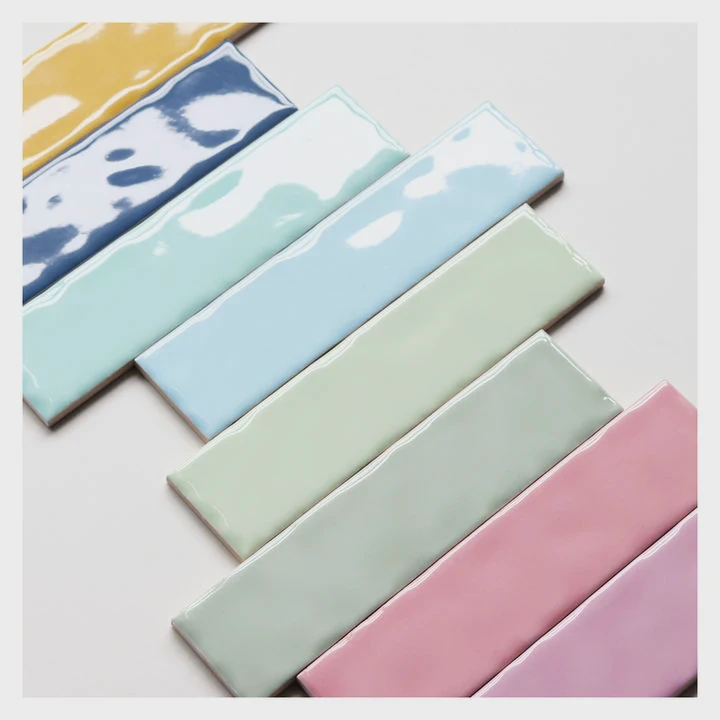
Travertine is versatile. But not every finish suits every space.
Indoor Applications
Travertine works well in:
- Living rooms
- Bedrooms
- Bathrooms
- Kitchens
Honed or polished finishes are common indoors. These surfaces are smoother and easier to clean.
Outdoor Applications
Travertine performs very well outdoors because it handles temperature changes.
Common outdoor uses:
- Pool decks
- Garden paths
- Terraces
- Facades
Tumbled or brushed finishes are better outside. They provide more grip and a natural look.
Wet Area Considerations
Travertine can be used in wet areas. But sealing is important. Without sealing, water can enter the pores.
Climate Suitability
Travertine performs best in:
- Warm climates
- Moderate environments
In very cold regions, freeze-thaw cycles can cause damage if not sealed properly.
Installation Tips
To ensure good performance:
- Use proper adhesive
- Seal before and after installation
- Choose correct finish type
Correct installation improves durability and reduces maintenance.
Can sealing protect travertine from stains?
Many buyers worry about stains. Travertine is porous. This means liquids can enter the surface easily.
Sealing travertine helps protect it from stains, moisture, and damage by filling its pores and creating a protective barrier.
Sealing is not optional. It is a necessary step for maintaining travertine.
Why Travertine Needs Sealing
Travertine has natural holes. These holes can absorb:
- Water
- Oil
- Dirt
Without sealing, stains can appear quickly.
Types of Sealers
There are two main types:
- Penetrating sealers
- Surface sealers
Penetrating sealers are more common. They protect without changing the look.
Sealing Process
The process is simple but important:
- Clean the surface
- Apply sealer evenly
- Let it absorb
- Wipe off excess
- Allow drying time
Maintenance Frequency
Sealing is not permanent. It needs to be repeated.
| Area Type | Sealing Frequency |
|---|---|
| Indoor | Every 1–2 years |
| Outdoor | Every 6–12 months |
Long-Term Protection
Sealing helps:
- Prevent stains
- Reduce moisture damage
- Extend tile lifespan
However, sealing does not make travertine completely stain-proof. It only reduces risk.
Proper cleaning is still required.
Conclusion
Travertine tile offers a balance of beauty, function, and cost. With proper installation and sealing, it performs well in many spaces and remains a reliable choice for long-term projects.