What Is Zellige Tile?
- Sinotiles
- 2026-03-19
Many buyers feel confused when they first hear about zellige tiles. They see uneven surfaces and wonder if the quality is poor or intentional.
Zellige tile is a handmade Moroccan ceramic tile, known for its irregular surface, rich glaze, and unique color variation, created through traditional craftsmanship rather than machine precision.
This special tile often stands out in modern and classic spaces. It brings a natural and artistic feeling. Now, let’s look deeper into why it is so different and where it fits best.
What Makes Zellige Tiles Unique in Design?
Many people expect tiles to be smooth and uniform. But zellige tiles break this rule, and this difference often surprises new buyers.
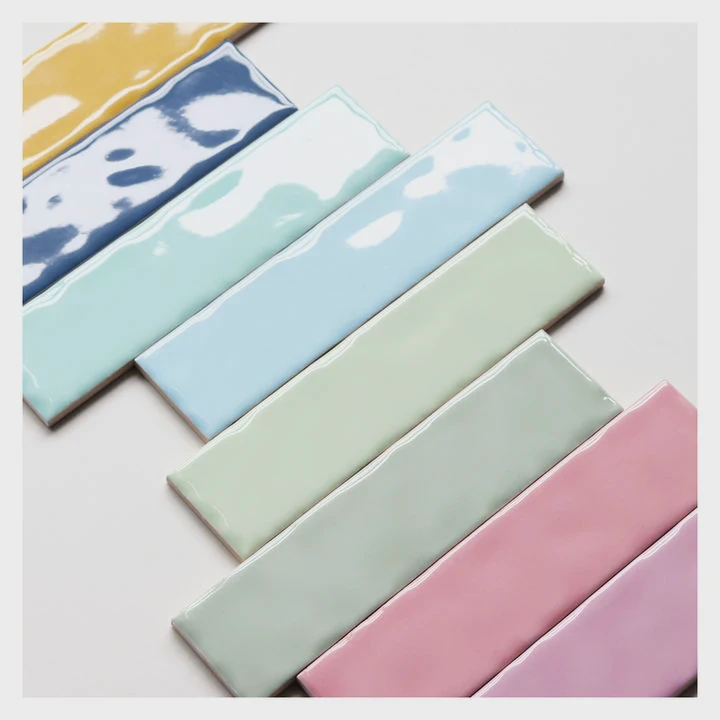
Zellige tiles are unique because each piece is handmade, resulting in uneven edges, glossy glaze variations, and a natural, imperfect look that creates a rich visual texture.
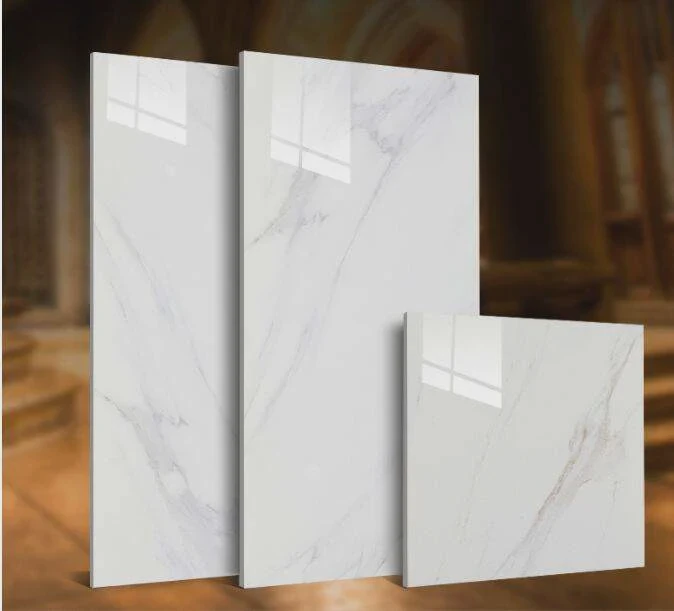
Zellige tiles stand apart from industrial tiles because they do not follow strict uniform standards. Each tile is shaped, cut, and glazed by hand. This process creates small differences in size, thickness, and color. These differences are not defects. They are the core value of the product.
Natural Imperfection Creates Beauty
In many modern factories, machines aim for perfect consistency. However, zellige tiles follow a different idea. They embrace imperfection.
Each tile may reflect light differently. Some surfaces are slightly uneven. Some edges are not perfectly straight. When these tiles are installed together, they create a lively surface. Light moves across the wall and gives depth.
This effect is very hard to achieve with machine-made tiles.
Color Variation and Glaze Depth
The glaze used on zellige tiles reacts differently during firing. As a result, even tiles from the same batch show different shades.
| Feature | Zellige Tiles | Machine-made Tiles |
|---|---|---|
| Surface | Uneven, textured | Smooth, flat |
| Color consistency | Natural variation | Highly consistent |
| Edge shape | Irregular | Precise |
| Visual effect | Artistic, dynamic | Uniform, clean |
This variation creates a “living wall” effect. Designers often use this to add warmth and character to a space.
Handcrafted Cutting Process
Another key feature is how tiles are cut. Traditional craftsmen use hand tools to shape each piece. This results in slightly different dimensions.
Because of this, installation requires skill. Installers must adjust spacing carefully. But the final result feels more organic and less artificial.
In many projects, especially boutique hotels or high-end homes, this handcrafted feel adds strong value. It tells a story. It shows that the material is not mass-produced.
Why Are Zellige Tiles Popular in Moroccan Architecture?
Many materials exist in construction, yet zellige tiles hold a special place in Moroccan buildings and culture.
Zellige tiles are popular in Moroccan architecture because they combine traditional craftsmanship, geometric artistry, and durable ceramic material suited to the local climate and cultural aesthetics.
Zellige tiles are deeply connected to Moroccan history. They are not just building materials. They are part of cultural identity.
Strong Cultural and Artistic Value
In Morocco, artisans have produced zellige tiles for centuries. The designs often include geometric patterns, which follow Islamic art principles. These patterns avoid human or animal images and instead focus on symmetry and repetition.
This creates a unique visual language.
Adaptation to Climate
Morocco has a hot and dry climate. Zellige tiles help manage temperature. Ceramic surfaces stay cool, which makes indoor spaces more comfortable.
They are also resistant to heat and sunlight. The glaze protects the tile surface from fading.
Common Applications in Architecture
Zellige tiles are widely used in many parts of Moroccan buildings:
- Walls
- Fountains
- Courtyards
- Floors (in some cases)
- Decorative panels
| Application Area | Reason for Use |
|---|---|
| Courtyards | Cooling effect + decoration |
| Fountains | Water resistance + beauty |
| Walls | Visual richness |
| Religious sites | Symbolic geometric patterns |
Craftsmanship as Heritage
The making of zellige tiles is passed from one generation to another. Each craftsman learns the technique over many years.
This human skill adds value that machines cannot replace. Buyers who understand this often see zellige as more than a tile. They see it as art.
When Should Zellige Tiles Be Used in Interiors?
Choosing the wrong tile can make a space feel cold or flat. Many people are unsure where zellige tiles actually work best.
Zellige tiles should be used in interiors when a space needs texture, warmth, and visual movement, especially in feature walls, kitchens, bathrooms, and decorative areas.
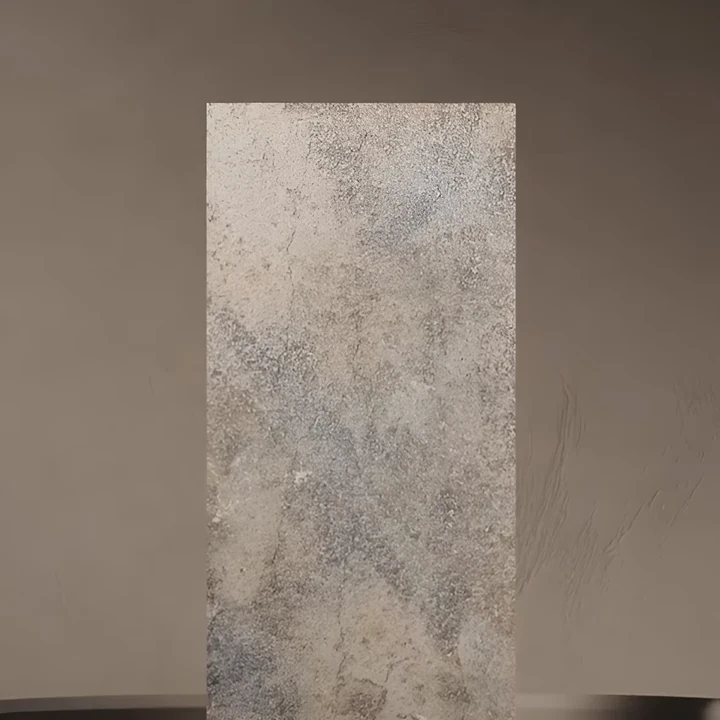
Zellige tiles are not suitable for every space. Their strength lies in visual impact rather than uniformity.
Ideal Interior Applications
Zellige tiles perform best in areas where people can appreciate their detail up close.
Kitchen Backsplashes
The reflective glaze enhances light. It makes small kitchens feel brighter.
Bathroom Walls
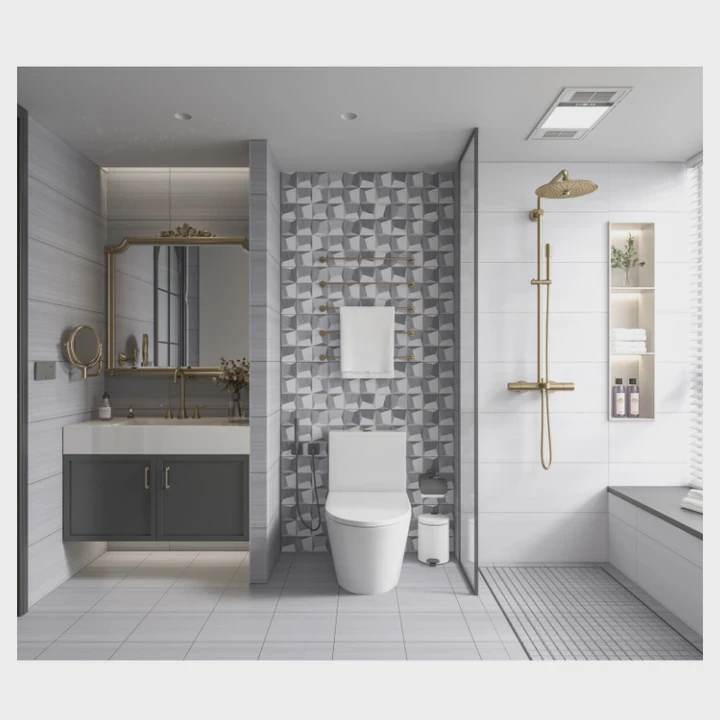
Water resistance makes them practical. At the same time, the texture adds a spa-like feeling.
Feature Walls
They create a focal point in living rooms or entrances.
When to Avoid Using Zellige
Despite their beauty, there are some limitations.
- Not ideal for high-traffic floors (surface unevenness)
- Not suitable when strict uniformity is required
- Installation cost can be higher
Design Pairing Tips
Zellige tiles work well with simple materials. This balance prevents visual overload.
- Pair with wood for warmth
- Combine with concrete for contrast
- Use neutral furniture to highlight the tile
Balancing Aesthetic and Function
Designers often use zellige in small areas instead of large surfaces. This keeps the design controlled.
For example, using it only as a backsplash instead of covering the entire kitchen wall can create a better effect.
In commercial projects, such as boutique hotels or cafes, zellige tiles help create identity. Customers remember the space more easily.
Which Materials Are Used to Create Zellige Tiles?
Many buyers assume all tiles use the same materials. But zellige tiles follow a very specific raw material process.
Zellige tiles are made from natural clay, water, and mineral-based glazes, shaped and fired using traditional kiln techniques to achieve their distinct texture and color.
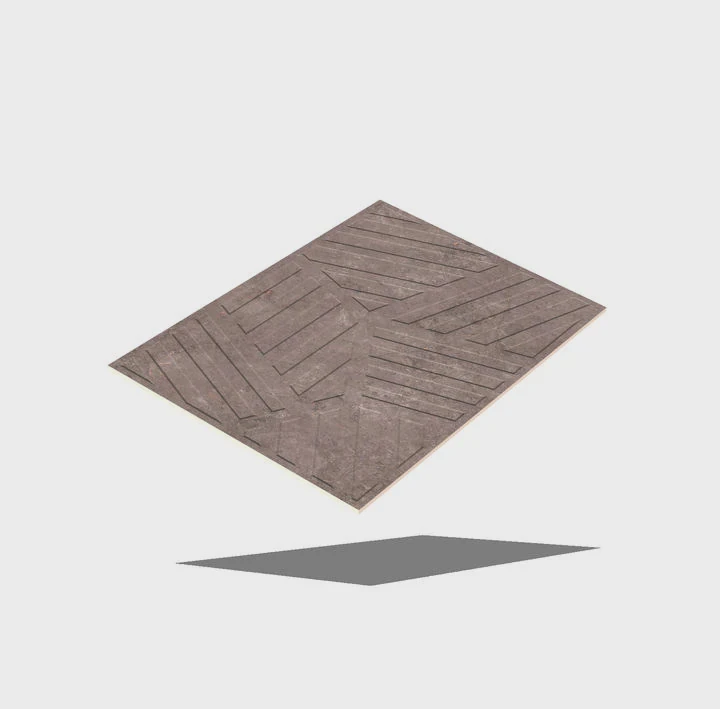
The materials used in zellige tiles are simple, but the process is complex.
Core Raw Materials
The main material is natural clay. This clay is often sourced locally in Morocco.
Other materials include:
- Water (for shaping)
- Natural pigments (for color)
- Enamel glaze (for surface finish)
Production Process Overview
1. Clay Preparation
The clay is cleaned and mixed to achieve the right consistency.
2. Hand Shaping
Artisans shape the clay into flat pieces.
3. Drying
Tiles are dried naturally under the sun.
4. First Firing
Tiles are fired in a kiln to harden.
5. Glazing
Glaze is applied manually.
6. Second Firing
Tiles are fired again to fix the glaze.
| Step | Purpose |
|---|---|
| Clay mixing | Ensure flexibility |
| Shaping | Form tile base |
| Drying | Remove moisture |
| First firing | Strengthen structure |
| Glazing | Add color and shine |
| Second firing | Final durability |
Why Materials Matter
The use of natural clay gives zellige tiles a softer body compared to porcelain tiles. This makes them easier to cut by hand but also slightly more fragile.
The glaze layer adds protection. It improves water resistance and creates the signature glossy look.
Comparison with Modern Tiles
Modern tiles often use advanced materials like porcelain and digital printing. These allow perfect patterns and high strength.
However, they lack the handmade feeling of zellige.
In many projects, the choice depends on the goal:
Choose zellige for artistic value
Choose porcelain for precision and durability
Conclusion
Zellige tiles combine handmade craftsmanship, natural materials, and cultural history. They offer unique texture and visual depth, making them ideal for decorative interior spaces where character and individuality matter most.
- Pre: What Is Drain Tile?
- Next: Can I Tile Over Drywall?