how to clean tile floors and grout?
- Sinotiles
- 2026-03-16
Dirty tile floors can quickly ruin the look of a room. Many people clean tiles often, yet the grout still looks dark and stained.
The best way to clean tile floors and grout is to use the right cleaner, scrub grout lines carefully, rinse the floor well, and reseal grout when needed. Proper tools and regular care keep tiles bright and grout lines clean.
Clean tile floors seem simple at first. However, grout lines trap dirt, oil, and moisture. This makes them harder to clean than the tiles themselves. Understanding the right methods and tools makes the process much easier.
What products remove stains from tile grout?
Stained grout lines make even new tiles look old. Many people try regular floor cleaners but see little change.
Strong grout stains are best removed with baking soda paste, vinegar solution, oxygen bleach cleaners, or commercial grout cleaners. These products break down dirt, mold, and grease trapped inside the porous grout surface.
Tile surfaces are usually smooth. Grout is different. Grout contains tiny pores. These pores absorb water, soap, oil, and dirt. Over time, these substances create dark stains.
Several types of cleaning products work well for grout cleaning. Each one targets different types of stains.
Baking Soda and Vinegar
This method is one of the simplest options for household cleaning.
A baking soda paste works as a mild abrasive. Vinegar reacts with the baking soda and helps loosen dirt.
Steps often include:
- Mix baking soda with water to form a paste
- Apply the paste directly onto grout lines
- Spray vinegar over the paste
- Scrub with a grout brush
- Rinse with clean water
This method works well for light stains and regular maintenance.
Oxygen Bleach Cleaners
Oxygen bleach is often used for deeper cleaning.
Unlike chlorine bleach, oxygen bleach is less harsh. It works by releasing oxygen ions that break down organic stains.
Common stains it removes include:
- mold
- mildew
- soap residue
- food stains
Commercial Grout Cleaners
Commercial grout cleaners are designed specifically for tile floors.
These cleaners often contain alkaline or enzyme-based formulas. They help dissolve grease and deep dirt.
| Product Type | Best For | Strength Level |
|---|---|---|
| Baking soda paste | Light stains | Mild |
| Vinegar solution | Soap residue | Mild |
| Oxygen bleach | Mold and mildew | Medium |
| Commercial grout cleaner | Deep stains | Strong |
Steam Cleaning
Steam cleaners use high temperature steam to loosen dirt inside grout pores.
The heat breaks down grease and kills bacteria. Many professional cleaning services use steam cleaning for tile floors.
Steam cleaning is useful for kitchens, bathrooms, and commercial spaces.
Why Product Choice Matters
Different tiles react differently to chemicals.
For example:
- Natural stone tiles require neutral cleaners
- Porcelain tiles tolerate stronger cleaners
- Ceramic tiles are more resistant to chemicals
Using the wrong cleaner can damage tile surfaces or discolor grout.
A simple rule often works well: start with mild cleaners first. Then move to stronger products only if stains remain.
Why is grout harder to clean than tile surfaces?
Many homeowners notice something strange. The tiles look clean, but the grout lines still look dirty.
Grout is harder to clean than tile because it is porous. Dirt, grease, and water soak into the grout surface, while tiles usually have a smooth and sealed finish that resists stains.
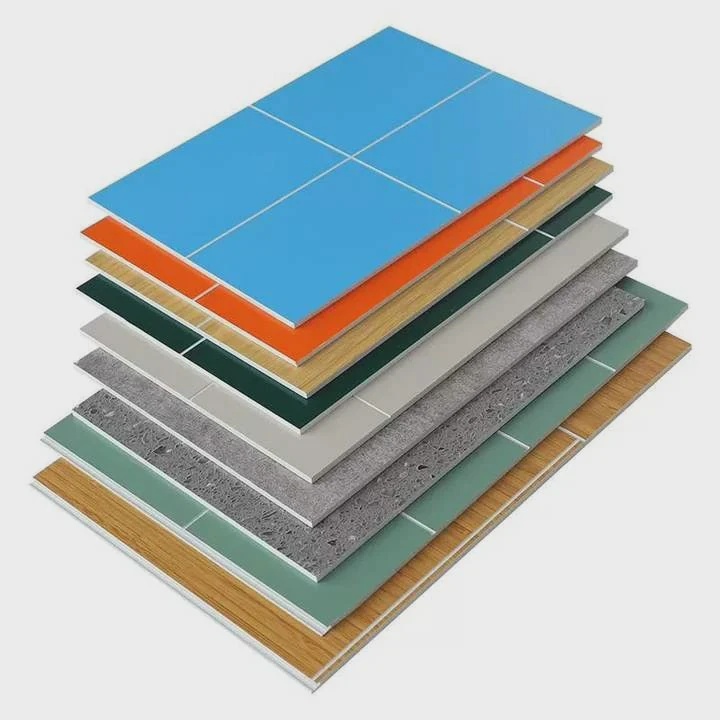
The difference between tile and grout starts with the materials used to make them.
Tile Surface Structure
Most ceramic and porcelain tiles are fired at very high temperatures. This creates a hard, dense surface.
Glazed tiles also receive a protective coating.
This surface has several benefits:
- low water absorption
- smooth finish
- high stain resistance
- easy cleaning
When dirt sits on tile, it usually stays on the surface. A mop or cloth can remove it easily.
Grout Structure
Grout is a cement-based material. Cement contains tiny pores.
These pores absorb moisture and dirt.
When someone mops a floor, water often flows into grout lines. This water carries small dirt particles.
Over time, the grout darkens.
Dirt Accumulation Process
The process happens slowly but constantly.
- Dust and debris fall onto the floor
- Water from mopping carries dirt into grout lines
- Oils from shoes or cooking settle into grout pores
- Bacteria and mold grow in damp areas
This combination makes grout stains difficult to remove.
Comparison of Tile vs Grout
| Feature | Tile Surface | Grout Line |
|---|---|---|
| Surface texture | Smooth | Rough |
| Water absorption | Very low | High |
| Stain resistance | High | Low |
| Cleaning difficulty | Easy | Difficult |
Why Regular Cleaning Is Important
Once dirt enters grout pores, it becomes harder to remove.
Regular cleaning prevents deep stains.
Many cleaning professionals recommend:
- light cleaning every week
- deep grout cleaning every few months
- sealing grout every year or two
This routine keeps grout lines closer to their original color.
Grout Color Changes
Another factor is grout color.
Light-colored grout shows stains more easily.
Common grout colors include:
- white
- light gray
- beige
- dark gray
Darker grout hides stains better. Many commercial buildings choose darker grout for this reason.
When should grout be resealed after cleaning?
Many people clean grout but forget another important step. Grout sealing protects the surface after cleaning.
Grout should usually be resealed every 1–2 years after deep cleaning. Sealing fills the pores in grout, which prevents water, dirt, and stains from entering the grout lines.
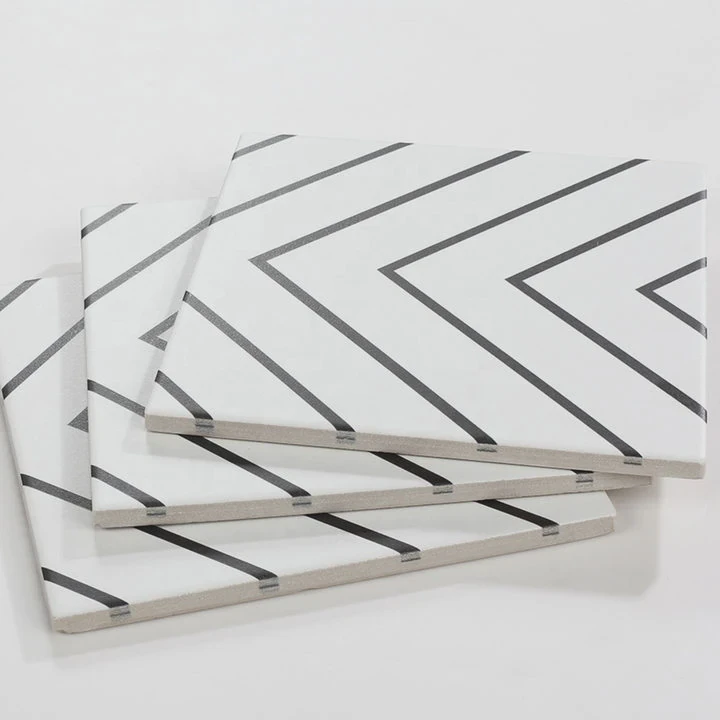
Grout sealers act like a protective barrier.
Without sealing, grout behaves like a sponge. It absorbs moisture quickly.
What Grout Sealer Does
Grout sealer penetrates the grout surface and blocks the pores.
This creates several benefits:
- reduces stain absorption
- improves moisture resistance
- prevents mold growth
- makes cleaning easier
Types of Grout Sealers
Two main types of grout sealers exist.
| Sealer Type | Characteristics | Use Case |
|---|---|---|
| Penetrating sealer | Absorbs into grout pores | Most tile floors |
| Membrane sealer | Creates surface layer | High moisture areas |
Penetrating sealers are most common for floor grout.
They protect the grout without changing its appearance.
Signs That Grout Needs Resealing
A simple water test often works.
Steps:
- Drop a small amount of water on grout
- Wait 5 minutes
- Check if water absorbs into grout
If the grout darkens quickly, the sealer has worn off.
Areas That Need More Frequent Sealing
Some areas need sealing more often.
These include:
- kitchen floors
- shower floors
- bathroom tiles
- entryways
These spaces have higher moisture and dirt exposure.
Sealing Process
The sealing process usually follows several steps.
- Clean the grout deeply
- Allow grout to dry completely
- Apply sealer using a small brush or applicator
- Let the sealer penetrate the grout
- Wipe excess sealer from tile surfaces
Drying time varies by product. Many sealers require 24 hours before water exposure.
Long-Term Maintenance
Sealing grout is not a one-time task.
Regular maintenance keeps tile floors looking new.
A simple schedule often works well:
- weekly floor cleaning
- periodic grout scrubbing
- resealing every 12–24 months
This routine prevents deep staining and reduces future cleaning work.
Which brushes work best for tile floor grout?
Many people use the wrong tools when cleaning grout. A simple sponge often cannot reach deep inside grout lines.
The best brushes for tile floor grout are stiff nylon grout brushes, electric cleaning brushes, and small detail brushes. These tools reach narrow grout lines and remove dirt from the grout surface.
Brush selection matters because grout lines are narrow and slightly recessed.
Using the correct brush improves cleaning efficiency.
Manual Grout Brushes
A manual grout brush is one of the most common tools.
These brushes usually have:
- narrow brush heads
- stiff nylon bristles
- angled handles
The narrow shape fits directly into grout lines.
Stiff bristles break loose dirt trapped inside pores.
Electric Cleaning Brushes
Electric scrubbers have become popular in recent years.
These tools rotate automatically. The spinning motion removes dirt with less effort.
Benefits include:
- faster cleaning
- reduced hand fatigue
- better deep scrubbing
Electric brushes work well for large tile floors.
Toothbrush or Detail Brush
Small detail brushes also work well in tight areas.
Examples include:
- old toothbrushes
- narrow grout detail brushes
These tools help clean corners, edges, and small grout sections.
Brush Material Comparison
Different brush materials produce different results.
| Brush Type | Bristle Strength | Best Use |
|---|---|---|
| Nylon grout brush | Medium-stiff | Regular grout cleaning |
| Electric scrub brush | Medium | Large floors |
| Detail brush | Soft-medium | Corners and edges |
| Wire brush | Very stiff | Not recommended for most tiles |
Wire brushes can damage grout and scratch tiles. Most professionals avoid them.
Scrubbing Technique
Proper scrubbing technique also matters.
Simple steps often include:
- Apply cleaner to grout lines
- Let the cleaner sit for several minutes
- Scrub along the grout line direction
- Rinse with clean water
- Dry the floor
Scrubbing across the grout line can reduce cleaning efficiency.
Tool Choice and Tile Type
The tile surface also affects tool selection.
For example:
- porcelain tile floors tolerate stronger brushing
- natural stone tiles require softer brushes
- glossy tiles scratch more easily
Choosing the correct brush protects the tile surface while cleaning grout effectively.
Conclusion
Clean tile floors depend on proper grout care. The right cleaning products, brushes, and sealing routine remove stains and protect grout. With regular maintenance, tile floors stay bright, durable, and easier to clean for many years.