How to Grout Shower Tile?
- Sinotiles
- 2026-03-16
Fresh shower tiles can look perfect on day one. Yet many bathrooms fail because grout cracks, stains, or falls out. Poor grouting ruins even the best tiles.
Grouting shower tile requires proper tools, clean joints, correct timing when wiping grout, and moisture-resistant grout types designed for wet environments. When these steps are done correctly, shower tiles become strong, sealed, and long-lasting.
Many tile projects fail not because of the tile, but because of poor grout work. Understanding the tools, preparation steps, timing, and grout types helps create a shower that looks clean and performs well for years.
What tools help apply grout to shower tiles?
Small mistakes during grouting often come from using the wrong tools. Many beginners try to use random tools. This leads to uneven grout joints and messy tiles.
The essential tools for applying grout include a grout float, mixing bucket, sponge, margin trowel, grout bag, and clean water buckets. These tools help spread grout evenly, press it into joints, and clean tile surfaces during the process.

Grouting shower tiles requires a few simple but very important tools. Each tool serves a clear purpose. When used correctly, these tools help grout fill the joints tightly and cleanly.
Basic Grouting Tools
The most important tool is the grout float. A grout float has a flat rubber surface. It presses grout deep into the tile joints.
Other tools help with mixing and cleaning.
| Tool | Purpose | Why It Matters |
|---|---|---|
| Grout float | Push grout into tile joints | Ensures full joint coverage |
| Mixing bucket | Mix grout powder and water | Creates proper grout consistency |
| Margin trowel | Transfer grout to float | Helps control grout amount |
| Grout sponge | Clean tile surface | Removes haze and smooths joints |
| Rubber gloves | Protect hands | Prevent skin irritation |
| Clean water bucket | Rinse sponge | Keeps tile surface clean |
These tools work together during the whole process.
The Role of the Grout Float
The grout float is the key tool. The rubber base presses grout into the tile joints without scratching the tile.
When using a grout float:
- Hold the float at a 45-degree angle
- Spread grout diagonally across tiles
- Press firmly into joints
- Remove excess grout from tile surface
This movement helps fill joints completely.
Why Sponges Are Critical
Cleaning grout lines requires a proper tile sponge. A tile sponge is dense and holds water well.
The sponge is used to:
- Remove excess grout
- Shape grout joints
- Clean tile haze
- Smooth the final grout surface
A normal household sponge often leaves streaks or removes too much grout.
Optional Tools for Large Projects
Large shower installations may require additional tools.
Some professionals use:
- Grout bags (similar to piping bags)
- Drill mixers
- Tile scrub pads
- Microfiber cloths for final cleaning
These tools improve speed and consistency on large tile areas.
Tool Quality Matters
Cheap tools often cause problems. A low-quality float can bend. A poor sponge may crumble.
Professional tile installers prefer durable rubber floats and high-density sponges.
Good tools do not make the job easier only. They also improve the final result. Clean grout lines and smooth surfaces depend heavily on the tools used during installation.
Why must grout lines be cleaned before grouting?
Many tile failures start before grout even touches the wall. Dust, mortar, and debris inside grout joints weaken the grout bond.
Grout lines must be cleaned before grouting so the grout can bond directly to tile edges and the substrate. Debris inside joints blocks adhesion and can cause cracks, loose grout, or uneven grout lines.
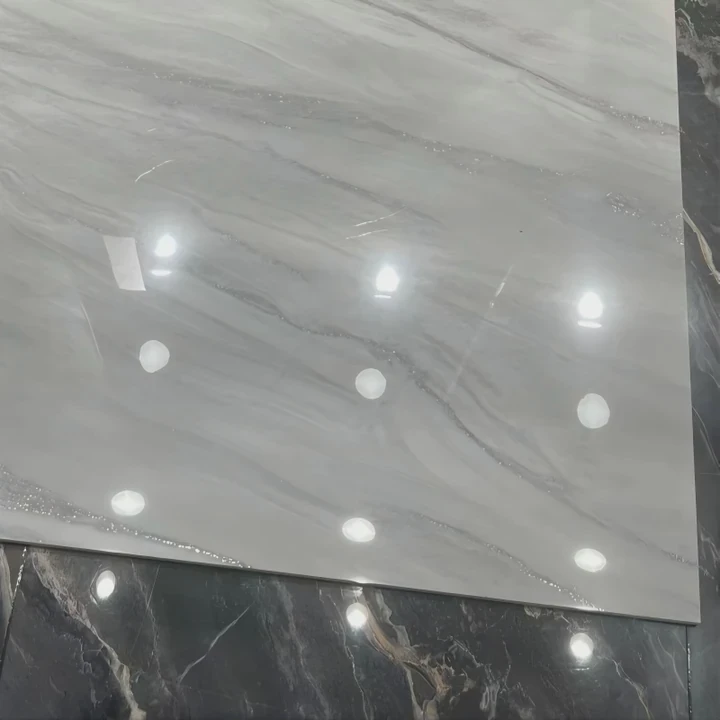
Cleaning grout lines is a preparation step many installers rush. Yet it is one of the most important parts of the entire process.
What Should Be Removed from Joints
During tile installation, materials collect inside the joints.
Common debris includes:
- Thinset mortar
- Dust
- Tile spacers
- Tile chips
- Construction debris
If these materials remain inside the joints, grout cannot fully fill the space.
Proper Joint Depth Is Important
Grout joints must have enough depth for grout to hold properly.
Most professionals follow a simple rule:
grout depth should be at least two-thirds the tile thickness
This allows grout to anchor strongly between tiles.
If thinset fills most of the joint, grout becomes too thin on the surface and cracks easily.
Cleaning Methods
Several methods help clean grout lines effectively.
1. Utility Knife
A utility knife helps scrape hardened thinset from joints.
2. Vacuum Cleaner
After scraping joints, vacuum removes dust and loose debris.
3. Damp Sponge
A slightly damp sponge wipes tile edges and removes remaining powder.
These three steps prepare joints for grouting.
Common Problems Caused by Dirty Joints
If grout lines are not cleaned, several problems appear later.
| Problem | Cause |
|---|---|
| Cracking grout | Thin grout layer |
| Loose grout | Poor bonding |
| Uneven grout color | Dust contamination |
| Pinholes in grout | Air pockets from debris |
These issues may appear weeks or months later.
Moisture Control Before Grouting
In very dry environments, slightly dampening the grout joints before grouting helps.
Dry tile edges can absorb moisture from grout too quickly. This weakens the grout structure.
However, joints should never be wet. Only a light damp surface is needed.
Preparation Improves Long-Term Durability
Grout is not simply a filler. It helps lock tiles together and prevent water from entering behind them.
Clean grout joints allow grout to:
- bond strongly
- cure evenly
- resist cracking
- stay waterproof longer
Many experienced installers say preparation determines half the final result. Clean joints lead to stronger and more durable grout lines.
When should excess grout be wiped from shower tiles?
Grout timing is critical. Wipe too early and grout pulls out of joints. Wipe too late and grout hardens on tile surfaces.
Excess grout should usually be wiped from shower tiles about 15–30 minutes after application, when the grout begins to firm but has not fully hardened. This allows joints to stay full while the tile surface becomes clean.

The correct moment for wiping grout is called the initial cleaning stage.
Signs That Grout Is Ready to Be Wiped
Instead of watching the clock, professionals look for visual signs.
Grout is ready when:
- the surface becomes slightly dull
- grout feels firm when touched
- fingerprints do not sink deeply
- grout no longer sticks to the float
This stage usually happens within 15 to 30 minutes.
The First Cleaning Pass
The first wipe removes the largest amount of excess grout.
Steps include:
- Dip sponge in clean water
- Wring sponge until damp, not dripping
- Wipe tile diagonally across joints
- Rinse sponge frequently
The goal is not to polish tiles yet. The goal is to remove thick grout residue.
Avoid Overwashing
Too much water damages grout.
Overwashing can cause:
- weak grout joints
- color variation
- washed-out joints
- uneven grout lines
A sponge should always be damp, never soaked.
The Second Cleaning Pass
After the first wipe, a thin haze remains.
About 30–60 minutes later, a second wipe helps smooth joints and remove haze.
This pass uses a slightly cleaner sponge and lighter pressure.
Final Haze Removal
Even after cleaning, grout haze can remain on tiles.
Once grout cures (often after 24 hours), haze can be removed using:
- microfiber cloth
- dry towel
- grout haze remover
Timing Differences by Grout Type
Different grout types behave differently.
| Grout Type | Typical Wipe Time |
|---|---|
| Cement grout | 15–30 minutes |
| Fast-setting grout | 10–20 minutes |
| Epoxy grout | 20–40 minutes |
| Ready-mix grout | 15–25 minutes |
Temperature and humidity also affect timing.
Why Timing Matters in Showers
Shower areas require strong grout lines. These joints block water from reaching the substrate.
Correct wiping timing ensures:
- full grout joints
- smooth grout finish
- consistent grout color
- minimal tile haze
Patience during this step improves both appearance and durability.
Which grout types are suitable for wet areas?
Bathrooms and showers constantly face water exposure. Not every grout type performs well in these conditions.
The best grout types for wet areas include epoxy grout, polymer-modified cement grout, and urethane grout. These materials resist water absorption, staining, mold growth, and cracking better than traditional basic cement grout.

Choosing the correct grout is as important as choosing the tile.
Main Grout Categories
There are several grout types used in tile installations.
| Grout Type | Water Resistance | Difficulty | Best Use |
|---|---|---|---|
| Sanded cement grout | Moderate | Easy | Floors, large joints |
| Unsanded cement grout | Moderate | Easy | Walls, small joints |
| Polymer-modified grout | Good | Medium | Showers, bathrooms |
| Epoxy grout | Excellent | Hard | Wet areas, pools |
| Urethane grout | Excellent | Medium | High-end bathrooms |
Each type has strengths and weaknesses.
Cement-Based Grout
Traditional grout uses cement as the base material.
Advantages:
- affordable
- easy to apply
- widely available
Disadvantages:
- absorbs water
- may stain
- requires sealing
For showers, installers often use polymer-modified cement grout because it improves flexibility and water resistance.
Epoxy Grout
Epoxy grout is one of the most durable options.
It contains:
- epoxy resin
- hardener
- filler powder
Benefits include:
- nearly waterproof
- highly stain resistant
- very strong
- mold resistant
However, epoxy grout is harder to apply and more expensive.
Many commercial showers and high-end bathrooms use epoxy grout for long-term durability.
Urethane Grout
Urethane grout is a newer technology.
Key features include:
- flexible joints
- strong stain resistance
- ready-to-use formula
- no sealing required
This grout performs well in residential showers.
Joint Width and Tile Type
Grout selection also depends on joint width.
| Joint Width | Recommended Grout |
|---|---|
| Under 1⁄8 inch | Unsanded grout |
| 1/8–3/8 inch | Sanded grout |
| Large format tile | Polymer grout |
| Wet environments | Epoxy or urethane |
Large tiles often require stronger grout formulas.
Mold and Mildew Resistance
Showers create humid conditions. Mold growth is a common concern.
Modern grouts often include:
- antimicrobial additives
- mold inhibitors
- stain resistance chemicals
These features keep grout cleaner for longer periods.
Sealing Requirements
Cement grout usually requires sealing after curing.
Epoxy and urethane grout typically do not require sealing.
Sealing improves:
- stain resistance
- water protection
- grout lifespan
Choosing the Right Grout for Long-Term Results
In showers, water exposure is constant. Therefore, stronger grout types perform better over time.
Professional installers often choose:
- polymer-modified grout for standard showers
- epoxy grout for heavy use areas
Good grout combined with proper installation creates a shower that stays durable and attractive for many years.
Conclusion
Grouting shower tiles requires proper tools, clean joints, correct wiping timing, and moisture-resistant grout. When these elements work together, grout becomes strong, clean, and durable, protecting the entire shower tile installation for many years.