How to Hang Tile in Shower?
- Sinotiles
- 2026-03-16
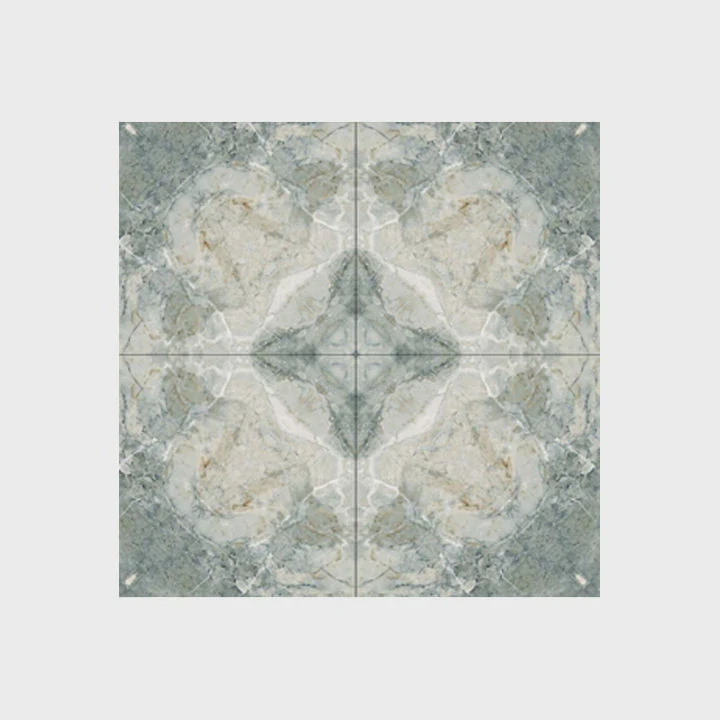
Many bathrooms look beautiful at first. Yet some showers start leaking or tiles loosen after a short time. Poor installation is often the reason.
Hanging tile in a shower requires proper wall preparation, waterproof backer boards, correct adhesive curing time, and a well-planned tile layout. These steps help tiles stay secure and prevent water damage behind the walls.
A shower is one of the most demanding places for tile installation. Water, humidity, and temperature changes test every material. When the installation process follows the right steps, shower walls remain strong, clean, and reliable for many years.
What wall preparation is needed for shower tile installation?
Many tile problems begin before the first tile is installed. If the wall surface is uneven or unstable, the tile will not last long.
Wall preparation for shower tile installation includes cleaning the surface, installing a solid substrate, ensuring flat and level walls, and applying waterproofing systems. These steps create a strong base that allows tiles to bond properly and resist moisture.
Wall preparation is the foundation of any successful tile project. Shower tiles are heavy. They also face constant moisture exposure. The wall behind the tile must support both weight and water protection.
Step 1: Remove Old Materials
Before installing new tiles, the wall surface must be clean and stable.
Old materials that must be removed include:
- old tiles
- damaged drywall
- loose paint
- old adhesive
- mold-damaged boards
A clean surface allows new materials to bond correctly.
Step 2: Check Wall Structure
The wall frame must be stable before installing any tile backer board.
Common checks include:
- Stud spacing
- Wall alignment
- Structural stability
Most shower walls use 16-inch stud spacing. If studs are uneven, the wall surface becomes crooked and tiles will not sit flat.
Step 3: Ensure a Flat Surface
Tiles require a flat installation surface. Even small bumps can cause uneven tile lines.
Installers often use a long level or straightedge to check the wall.
Small adjustments may include:
- shimming studs
- sanding high spots
- adding leveling compounds
Step 4: Install Tile Substrate
Tile should never be installed directly on drywall in wet areas.
Instead, installers use special substrates such as:
- cement backer board
- fiber cement board
- foam tile board
These materials are strong and moisture resistant.
Step 5: Apply Waterproof Membrane
After installing the substrate, waterproofing becomes critical.
Two common waterproofing methods exist:
| Waterproofing Type | Description |
|---|---|
| Liquid membrane | Rolled or brushed waterproof coating |
| Sheet membrane | Waterproof sheet bonded to the wall |
Both systems prevent water from reaching the wall structure.
Step 6: Mark Tile Layout Lines
Before tiles go on the wall, layout lines help guide installation.
Important markings include:
- horizontal reference lines
- center lines
- tile spacing lines
These guides help keep tiles straight and balanced.
Why Preparation Determines Tile Life
Many installers say tile success depends heavily on preparation.
A well-prepared wall provides:
- strong adhesive bonding
- straight tile alignment
- reduced cracking
- long-term water protection
Without proper preparation, even high-quality tiles can fail quickly.
Why is waterproof backer board important in showers?
Many people think tiles themselves stop water. In reality, tile and grout allow small amounts of moisture to pass through.
Waterproof backer boards protect the wall structure behind shower tiles by resisting moisture, preventing mold growth, and providing a stable surface for tile adhesion. They act as the first defense against water damage.
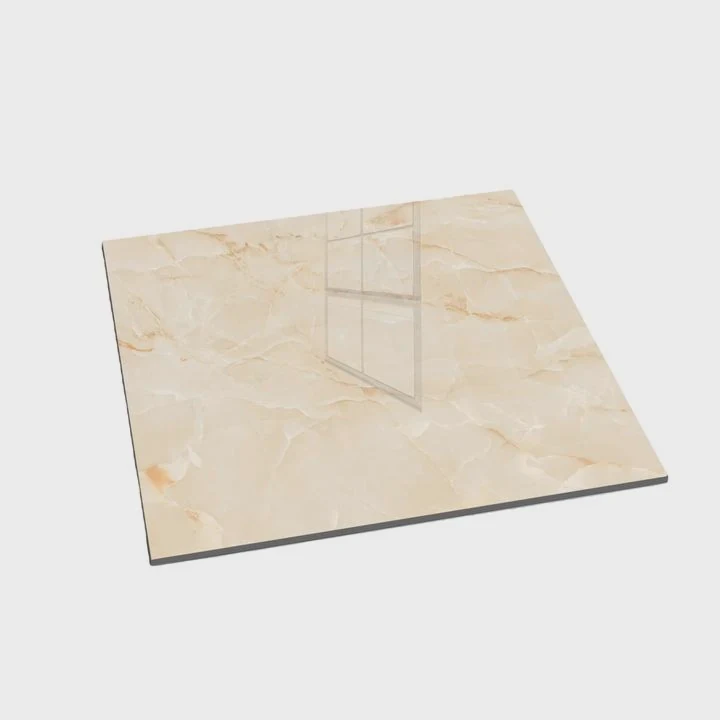
Backer boards are one of the most critical components in shower tile systems.
What Is a Backer Board?
A backer board is a panel installed on wall studs before tile installation. It creates a strong base for tile adhesive.
Common backer board materials include:
- cement board
- fiber cement board
- foam board
- glass mat board
These boards are designed to resist moisture better than drywall.
Why Drywall Fails in Showers
Drywall is common in many rooms. However, it performs poorly in wet environments.
Drywall problems include:
- water absorption
- mold growth
- structural weakening
If drywall gets wet repeatedly, it breaks down and tiles may loosen.
How Backer Boards Protect the Wall
Backer boards perform several key functions.
1. Moisture Resistance
Most backer boards do not absorb water easily.
This helps prevent:
- swelling
- mold growth
- structural damage
2. Strong Adhesion Surface
Tile adhesive bonds strongly to cement-based materials.
Backer boards provide a textured surface that helps adhesive grip well.
3. Structural Stability
Shower tiles can be heavy. Large porcelain tiles especially add significant weight.
Backer boards help distribute this weight across wall studs.
Types of Backer Boards
Different materials serve different installation needs.
| Backer Board Type | Key Feature | Typical Use |
|---|---|---|
| Cement board | Very durable | Standard showers |
| Fiber cement board | Lighter weight | Residential bathrooms |
| Foam board | Built-in waterproofing | Modern shower systems |
| Glass mat board | Mold resistant | Humid environments |
Foam boards are becoming popular because they combine structure and waterproofing.
Backer Board Installation Tips
Proper installation is important for long-term performance.
Key practices include:
- leaving small gaps between boards
- taping seams with mesh tape
- covering seams with waterproof membrane
- fastening boards securely to studs
These steps create a continuous water-resistant barrier.
Water Protection Beyond the Tile
A well-built shower system protects several layers:
- Tile surface
- Grout joints
- Waterproof membrane
- Backer board
- Wall structure
Each layer helps control moisture.
When backer boards are installed correctly, the shower wall remains dry and stable for many years.
When should adhesive cure before grouting shower tiles?
Many installers rush the process. They grout tiles before the adhesive fully cures. This often leads to tile movement and weak bonding.
Tile adhesive should usually cure for 24 to 48 hours before grouting shower tiles. This curing period allows the adhesive to harden fully and secure tiles firmly to the wall.
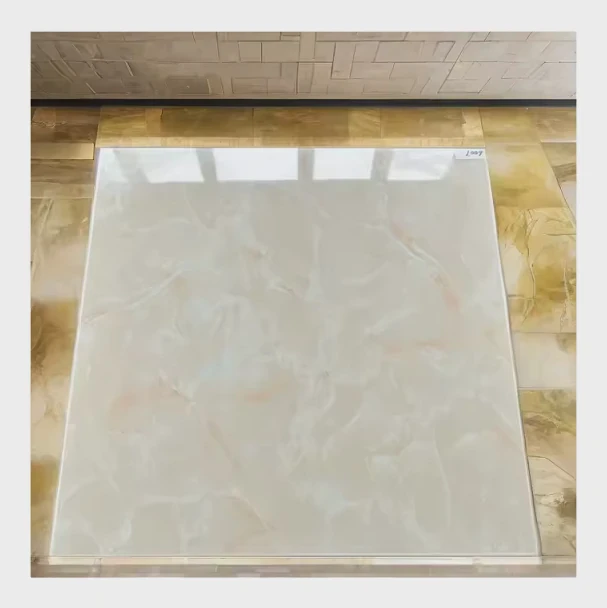
The curing stage allows tile adhesive to reach its full strength.
Why Adhesive Needs Time to Cure
Tile adhesive contains moisture and bonding agents. During curing, chemical reactions occur that harden the adhesive.
If grout is applied too early:
- tiles may shift
- adhesive may weaken
- grout joints may crack
Patience during curing protects the entire installation.
Factors That Affect Cure Time
Adhesive curing time depends on several conditions.
| Factor | Impact on Cure Time |
|---|---|
| Temperature | Cold slows curing |
| Humidity | High humidity slows drying |
| Tile size | Large tiles slow curing |
| Adhesive type | Some cure faster |
Large porcelain tiles often require longer curing periods.
Thinset vs Mastic Adhesives
Two main adhesive types exist for tile installation.
Thinset Mortar
Thinset mortar is cement-based and commonly used in showers.
Advantages include:
- strong bonding
- water resistance
- durability
Thinset usually requires 24–48 hours before grouting.
Mastic Adhesive
Mastic is a premixed adhesive.
While easy to apply, it is not recommended for wet shower walls because it may soften when exposed to moisture.
Signs Adhesive Is Fully Cured
Installers often check a few simple indicators before grouting.
Signs include:
- tiles feel solid when pressed
- adhesive appears hardened at edges
- no tile movement occurs
If tiles move even slightly, curing time should continue.
Why Showers Need Extra Patience
Showers face constant moisture exposure. Weak bonding can lead to tile failure.
Allowing proper adhesive curing helps ensure:
- secure tile bonding
- stable grout joints
- longer tile lifespan
This waiting period protects the whole installation.
Which tile layouts suit shower walls best?
Tile layout influences both the appearance and practicality of a shower. Poor layout planning often leads to awkward cuts and uneven designs.
Popular shower wall tile layouts include stacked patterns, brick patterns, vertical layouts, and large-format tile designs. These layouts create visual balance while minimizing tile cuts and improving installation efficiency.
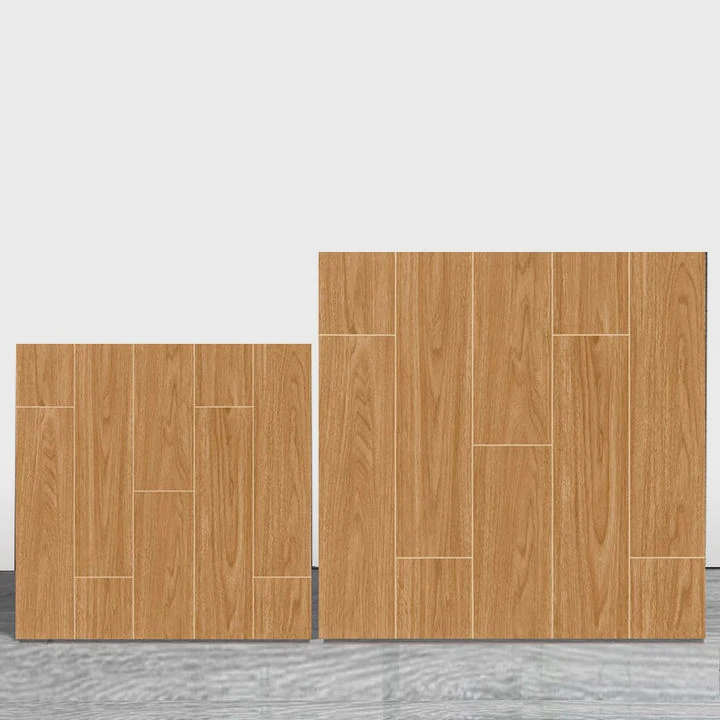
Choosing the right tile layout helps the shower look clean and organized.
Stacked Tile Layout
Stacked layouts place tiles directly above each other.
Characteristics include:
- straight vertical and horizontal lines
- modern appearance
- simple installation
This layout works well with large-format porcelain tiles.
Brick or Offset Layout
The brick pattern offsets each row by half a tile.
This layout creates a classic appearance.
Advantages include:
- hides minor wall imperfections
- traditional style
- works well with rectangular tiles
However, large tiles sometimes require smaller offsets to prevent uneven edges.
Vertical Tile Layout
Vertical tile installation is growing in popularity.
Benefits include:
- makes showers appear taller
- modern visual effect
- works well with rectangular tiles
Vertical layouts are often used in contemporary bathrooms.
Large Format Tile Layout
Large tiles reduce grout joints and create a clean appearance.
Common shower wall tile sizes include:
| Tile Size | Common Use |
|---|---|
| 300×600 mm | Standard wall tile |
| 600×600 mm | Modern bathrooms |
| 600×1200 mm | Luxury shower walls |
| 750×1500 mm | High-end designs |
Large tiles also reduce grout maintenance.
Feature Wall Designs
Some showers include a feature wall for visual interest.
Popular feature ideas include:
- mosaic accent strips
- contrasting tile colors
- textured tiles
- vertical niche designs
These elements create a focal point inside the shower.
Planning Tile Layout Before Installation
Professional installers usually dry-lay tiles before installing them.
This helps determine:
- cut tile locations
- center alignment
- niche positioning
- grout line balance
Careful planning avoids small tile slivers at edges.
Design and Function Must Work Together
A good layout does more than look attractive. It also supports easier installation and maintenance.
Well-planned tile layouts help achieve:
- balanced tile cuts
- consistent grout lines
- visual harmony
- efficient installation
When layout planning is done carefully, the finished shower looks both professional and durable.
Conclusion
Hanging tile in a shower requires careful preparation, waterproof materials, proper adhesive curing, and thoughtful layout planning. When these steps are done correctly, shower tiles remain secure, water-resistant, and visually appealing for many years.